
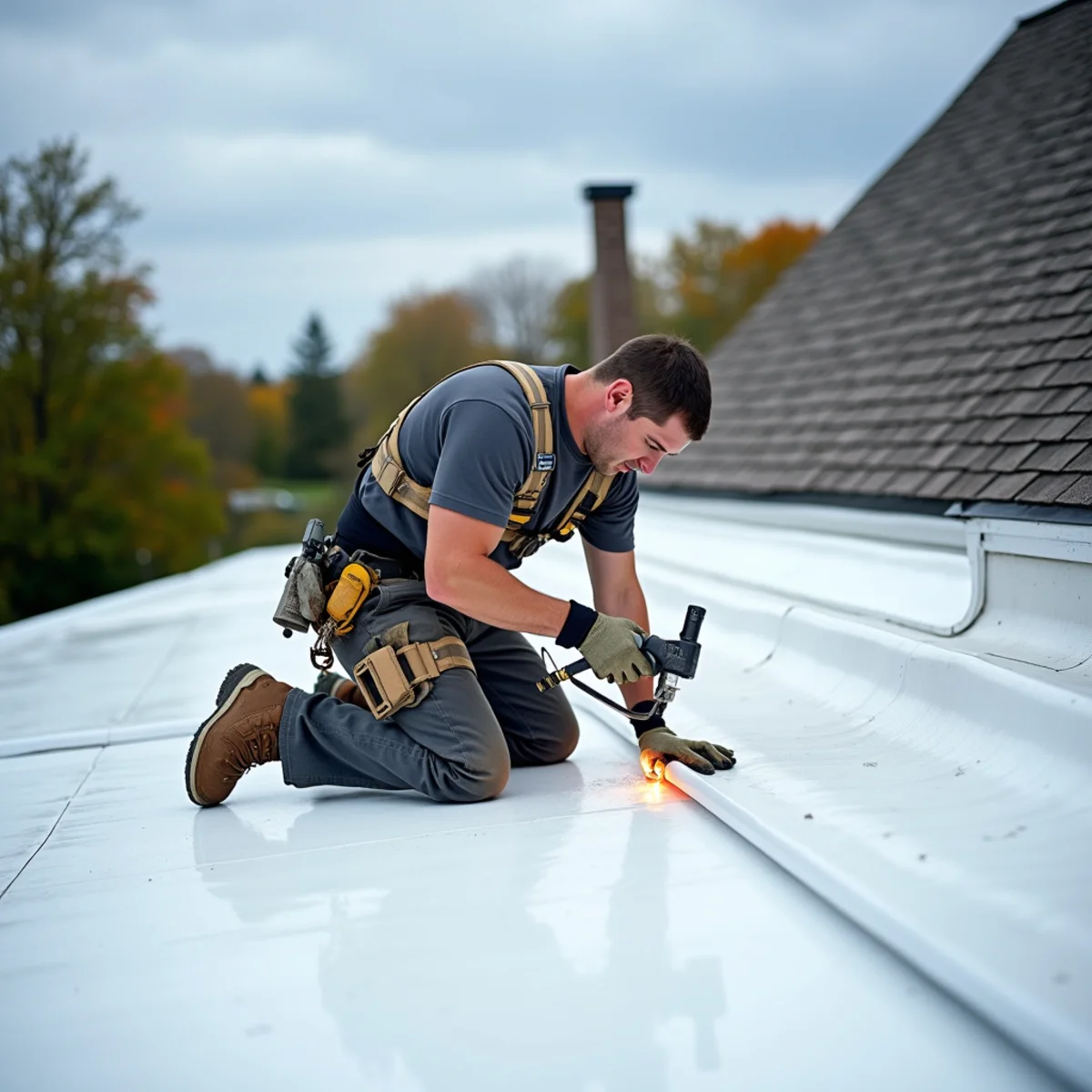
Flat and low-slope roofs don't shed water, they manage it. That makes them completely different animals from shingle roofs: different materials (rubber and thermoplastic membranes instead of shingles), different failure modes (seams and ponding instead of wind lift), and different repair skills. Roofing Renew installs and repairs EPDM, TPO, and modified bitumen systems on homes, additions, porches, and garages across Bergenfield, Bridgewater, and Bedminster, NJ.
Plenty of shingle crews will 'do' a flat roof. The seam welding, termination details, and drainage planning that make a membrane last 20+ years are a specialty, treat them as one.
Reviewed by the Roofing Renew team · Published · Last updated
Flat Roof Problems We See Across North Jersey
Flat sections over additions, sunrooms, and porches, common on Bergenfield's expanded capes and colonials, fail in predictable ways:
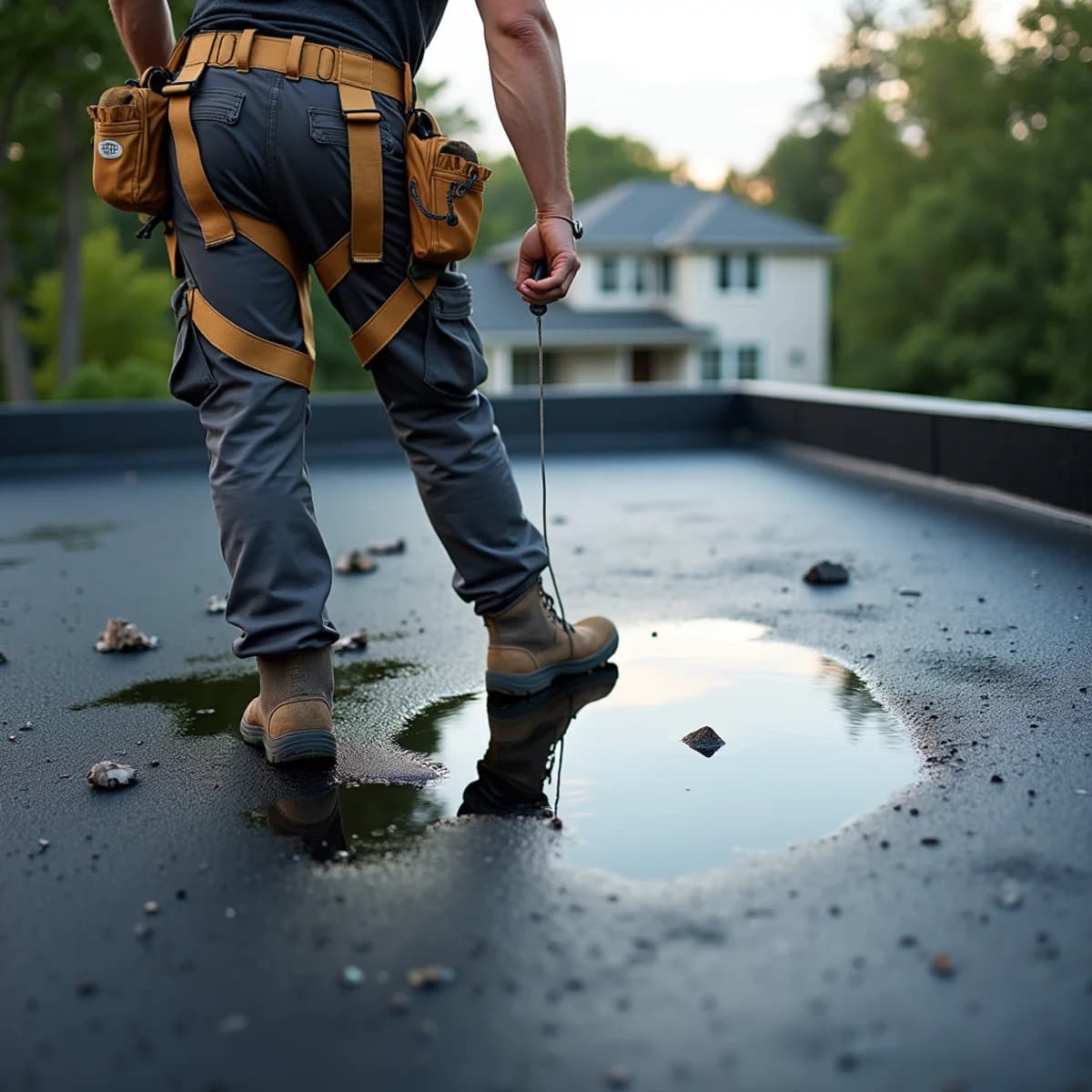
Ponding water
Puddles that linger more than 48 hours after rain accelerate membrane aging and find every weak seam. Usually a drainage or tapering problem, not just a membrane one.
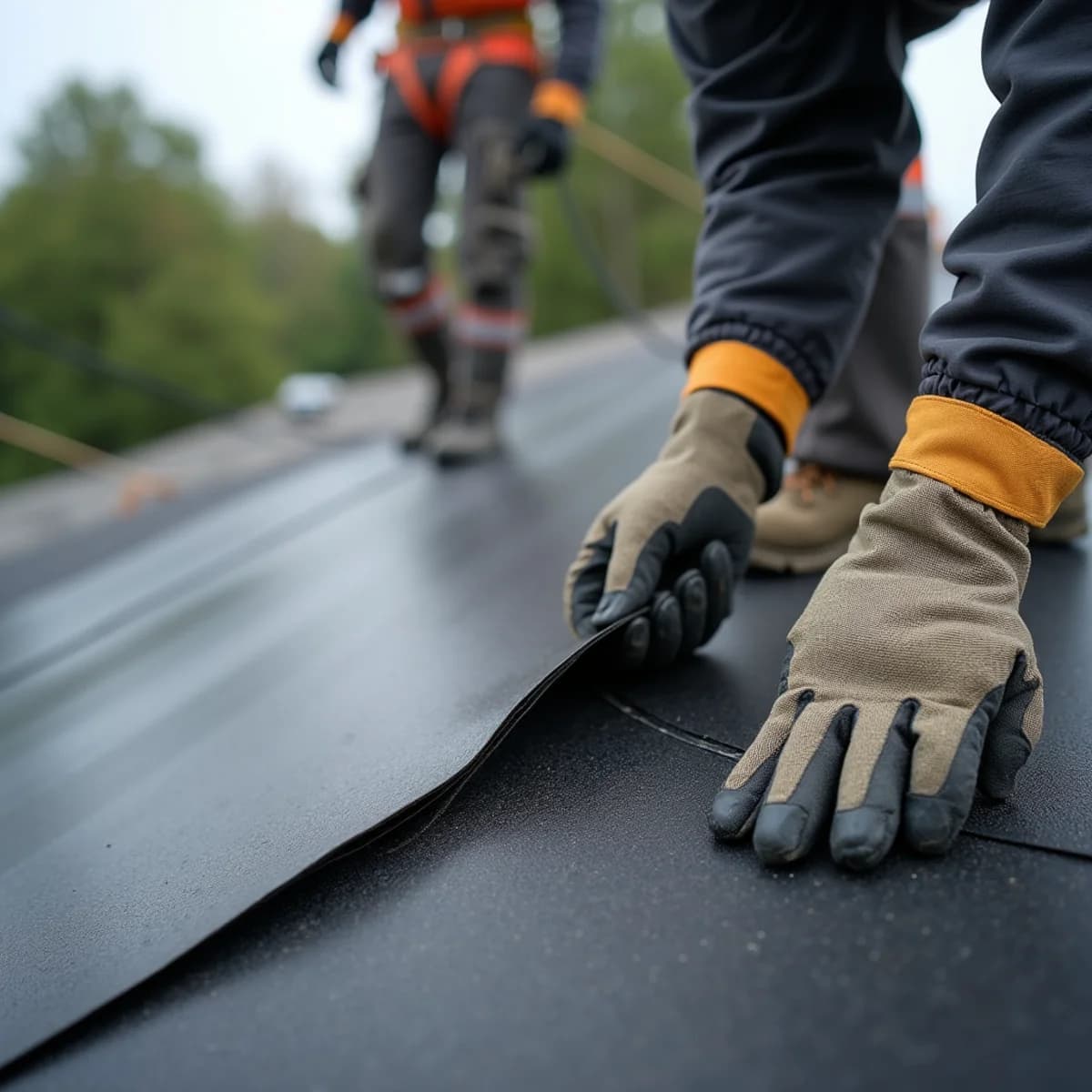
Seam separation
Adhesive seams on older EPDM lift over time; separated seams are the number-one flat-roof leak source and are repairable when caught early.
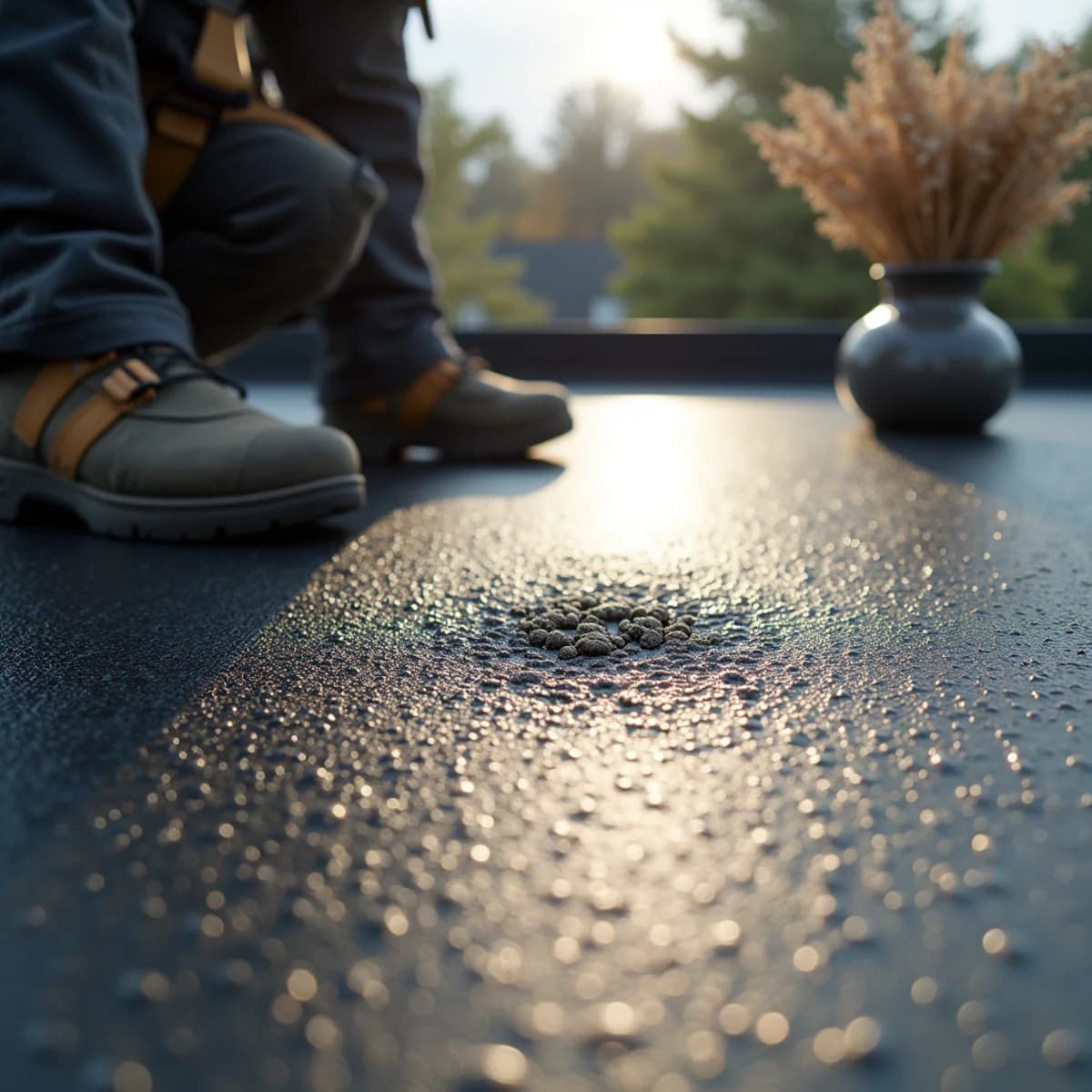
Blisters and bubbles
Trapped moisture or adhesive failure creates raised pockets that crack as they flex, a sign of trouble beneath the surface.
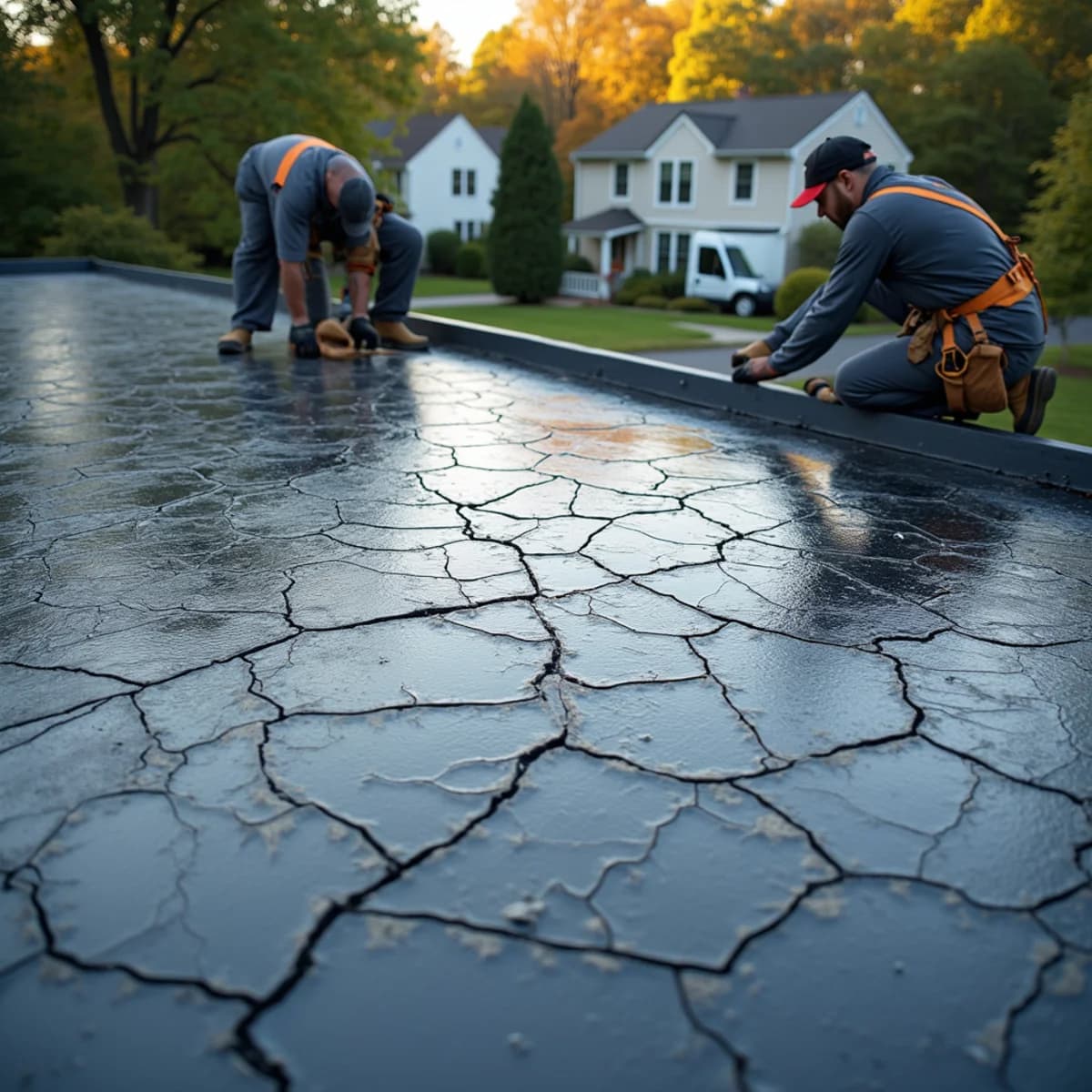
Cracked or alligatored surfacing
Older built-up and modified bitumen roofs dry out and craze like alligator skin; once surfacing cracks, UV attacks the layers below quickly.
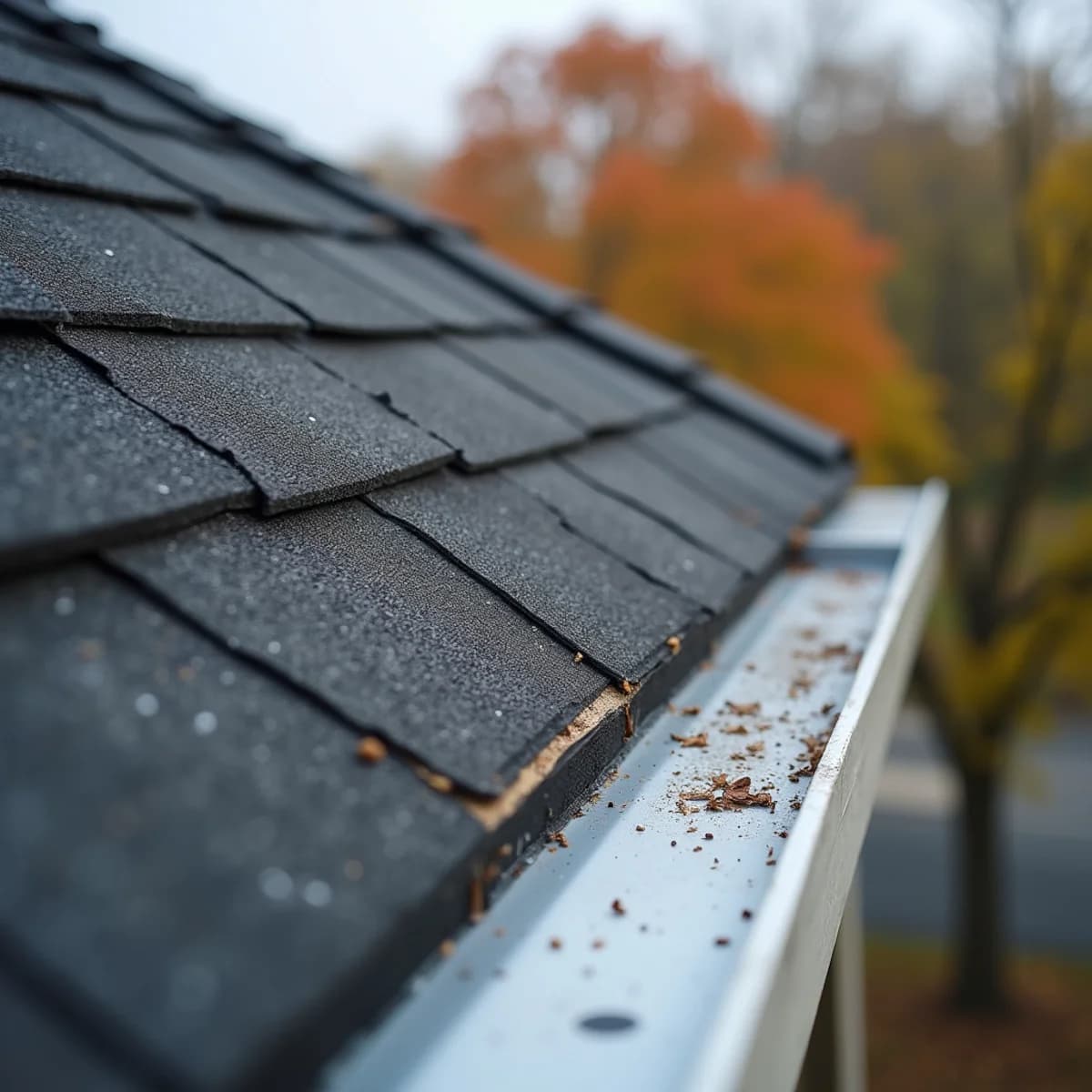
Failed terminations and flashing
Where the membrane meets walls, edges, and penetrations is where most leaks start, termination bars, counter-flashing, and pitch pockets need periodic attention.
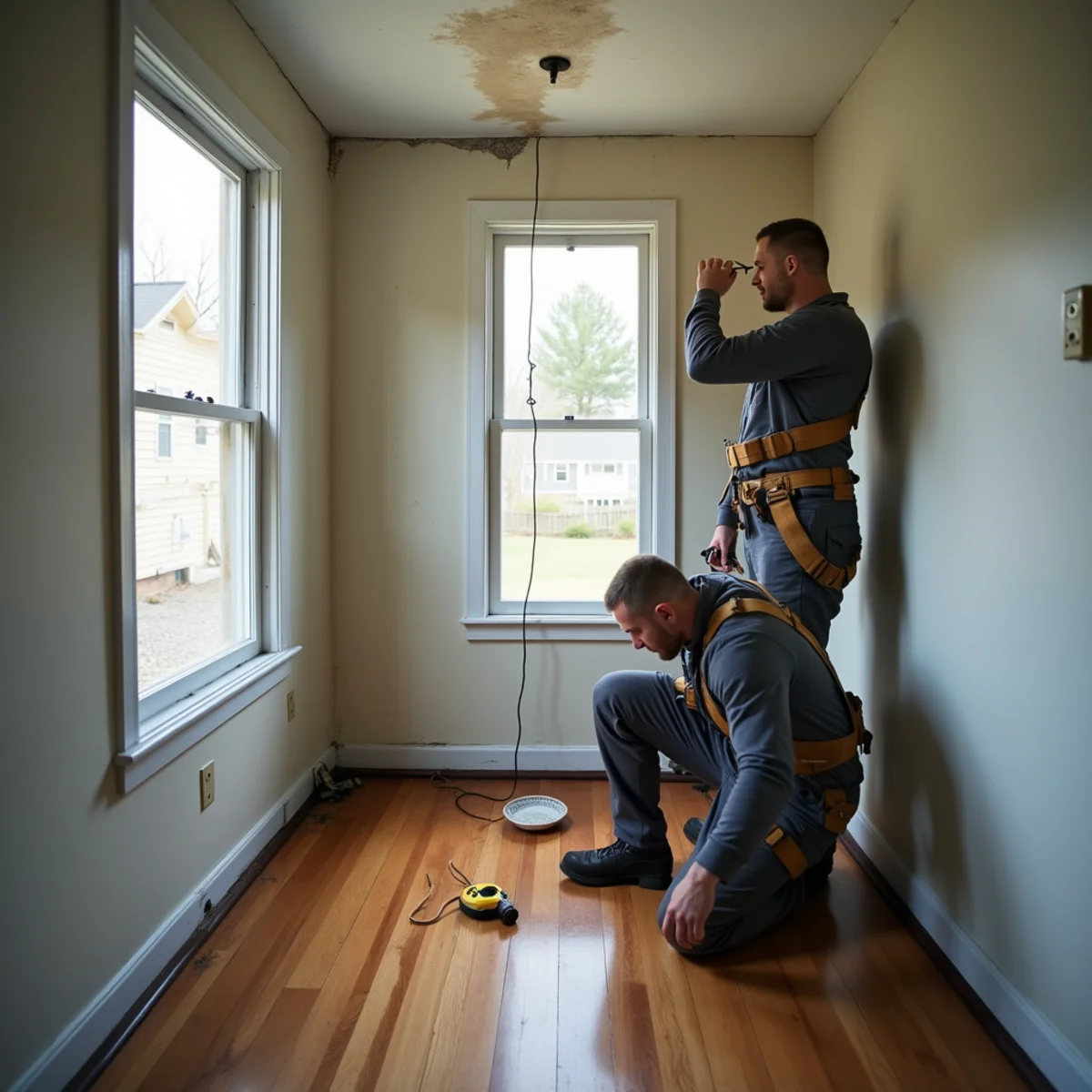
Interior leaks far from any obvious damage
Water travels under a membrane before dropping in; the entry point is often many feet from the ceiling stain, which makes professional tracing essential.
How We Install a Flat Roof System
Longevity on a low-slope roof is decided in the preparation and the details. Our installation sequence:
Assessment and drainage design
We evaluate current slope, drains, and scuppers. If water doesn't have a planned route off the roof, we design tapered insulation to create one, fixing the cause of ponding, not just the symptom.
Tear-off or preparation
Existing material is removed or properly prepared, wet insulation identified and replaced, and the deck verified. Membranes telegraph every flaw beneath them.
Insulation and substrate
Rigid insulation boards are mechanically fastened or adhered to spec, adding R-value and creating the clean plane the membrane needs.
Membrane installation
EPDM is fully adhered with seams taped and primed; TPO seams are hot-air welded into a monolithic sheet; modified bitumen is torch- or cold-applied in overlapping plies. Each per manufacturer spec.
Detail and termination work
Walls, edges, drains, pipes, and HVAC curbs get formed flashings and termination bars, the hour spent per detail here is why the roof lasts.
Water test and documentation
Drains and seams checked, the finished roof photographed, and warranty terms delivered in writing.
What Drives Flat Roofing Cost
Flat-roof pricing depends on system choice and what's under the old membrane. The honest variables:
Membrane system
EPDM rubber is the residential workhorse; TPO costs somewhat more with heat-welded seams and reflectivity; modified bitumen suits high-traffic and detail-heavy roofs.
Wet insulation discovered below
Saturated insulation must come out, it destroys R-value and re-emerges as blisters. Scope depends on what moisture scanning and tear-off reveal.
Drainage corrections
Tapered insulation packages, new drains, or scupper work add cost and are often the difference between a 10-year and a 25-year roof.
Penetrations and perimeter length
Every pipe, curb, and foot of edge detail is labor; a small roof with many penetrations can out-cost a large clean one.
Access and tie-ins
Second-story flat sections and tie-ins to existing shingle slopes (common over additions) take staging and transition detail work.
EPDM vs. TPO vs. Modified Bitumen, Which One?
For most residential flat sections in our area, fully adhered EPDM is the value pick: proven over decades, flexible in cold, straightforward to repair. TPO's white reflective surface earns its premium over living spaces where summer heat gain matters, and its welded seams are genuinely stronger. Modified bitumen takes foot traffic best, a fit for roof decks and areas serving HVAC equipment. We quote the fit for your roof's use, not a one-brand default. If your flat section connects to a pitched roof that's also aging, it often pays to plan both together, see our roof replacement page for how we sequence that.
Repair or Re-Cover: Flat Roofs Get Options
Unlike shingles, membranes are often repairable for years, seam repairs, patches, and new flashings can meaningfully extend life when the field membrane is sound. And when replacement time comes, code may allow a re-cover board and new membrane over one existing layer, saving tear-off cost if moisture scanning confirms the assembly below is dry. We give you the repair-extend-replace options with the price and lifespan of each; routine checks through roof maintenance keep a flat roof in the repairable zone longer.
Flat & Low-Slope Roofing FAQs
How long does a flat roof last in New Jersey?
Typical expected ranges: EPDM around 20–30 years, TPO around 20–25, modified bitumen around 15–20, assuming correct installation, working drainage, and periodic maintenance. Ponding water and neglected seams are what cut those numbers in half.
My flat roof ponds after every rain, is that normal?
Brief puddling that drains within about 48 hours is tolerable; standing water beyond that accelerates membrane failure and usually signals a slope or drainage problem. Tapered insulation or drain corrections fix the cause, and we'll scope exactly that in the estimate.
Can you repair just a section of my flat roof?
Often yes, membrane patches, seam repairs, and flashing rebuilds are legitimate fixes when the surrounding field is sound. We'll tell you honestly when a roof has crossed into re-cover or replacement territory, with photos of why.
Is a white TPO roof worth it over a bedroom addition?
Frequently, yes. Reflective membrane over conditioned living space reduces summer heat gain noticeably compared to black EPDM. Over an unconditioned garage, the benefit shrinks and EPDM's price advantage usually wins.
Do you do flat roofs on commercial buildings?
Our focus is residential, homes, additions, garages, and porches in Bergenfield, Bridgewater, and Bedminster. For small mixed-use buildings, call and we'll tell you honestly whether the project fits our crews.