
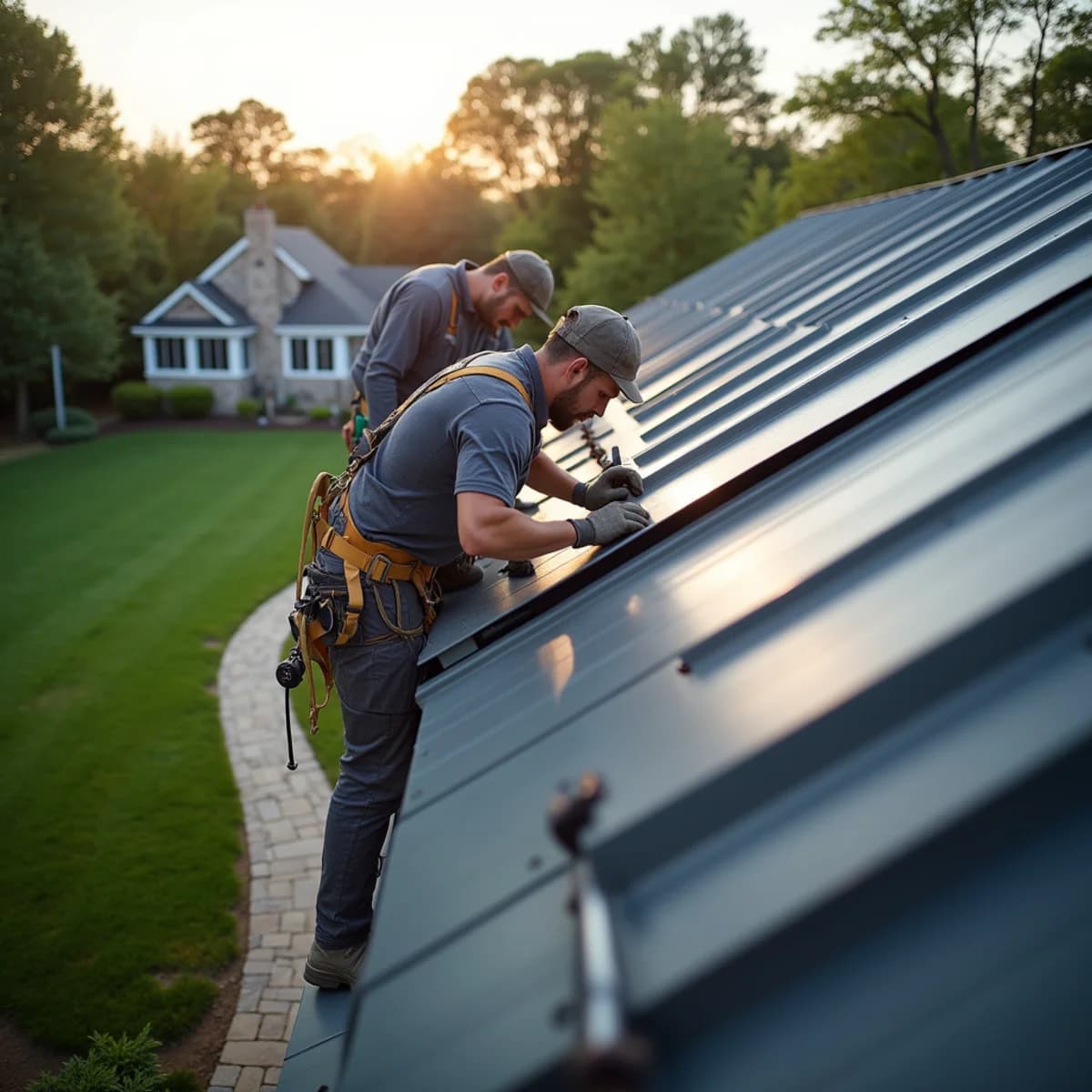
A properly installed metal roof is the longest-lived roofing system commonly used on New Jersey homes, metal roofs are generally expected to last 40 to 70 years depending on the metal and finish, compared with 20 to 30 for asphalt shingles. Roofing Renew installs standing-seam panels and metal shingle systems across Bergenfield, Bridgewater, and Bedminster.
Metal costs more up front than asphalt. Whether it's worth it depends on how long you plan to own the home, your roof's complexity, and how much you value shedding snow, resisting wind, and skipping the next re-roof entirely. We'll give you that comparison honestly, we install both systems, so we have no stake in steering you either way.
Reviewed by the Roofing Renew team · Published · Last updated
When Metal Roofing Makes Sense for Your Home
Metal isn't right for every house or budget. It tends to be the smart choice in these situations:
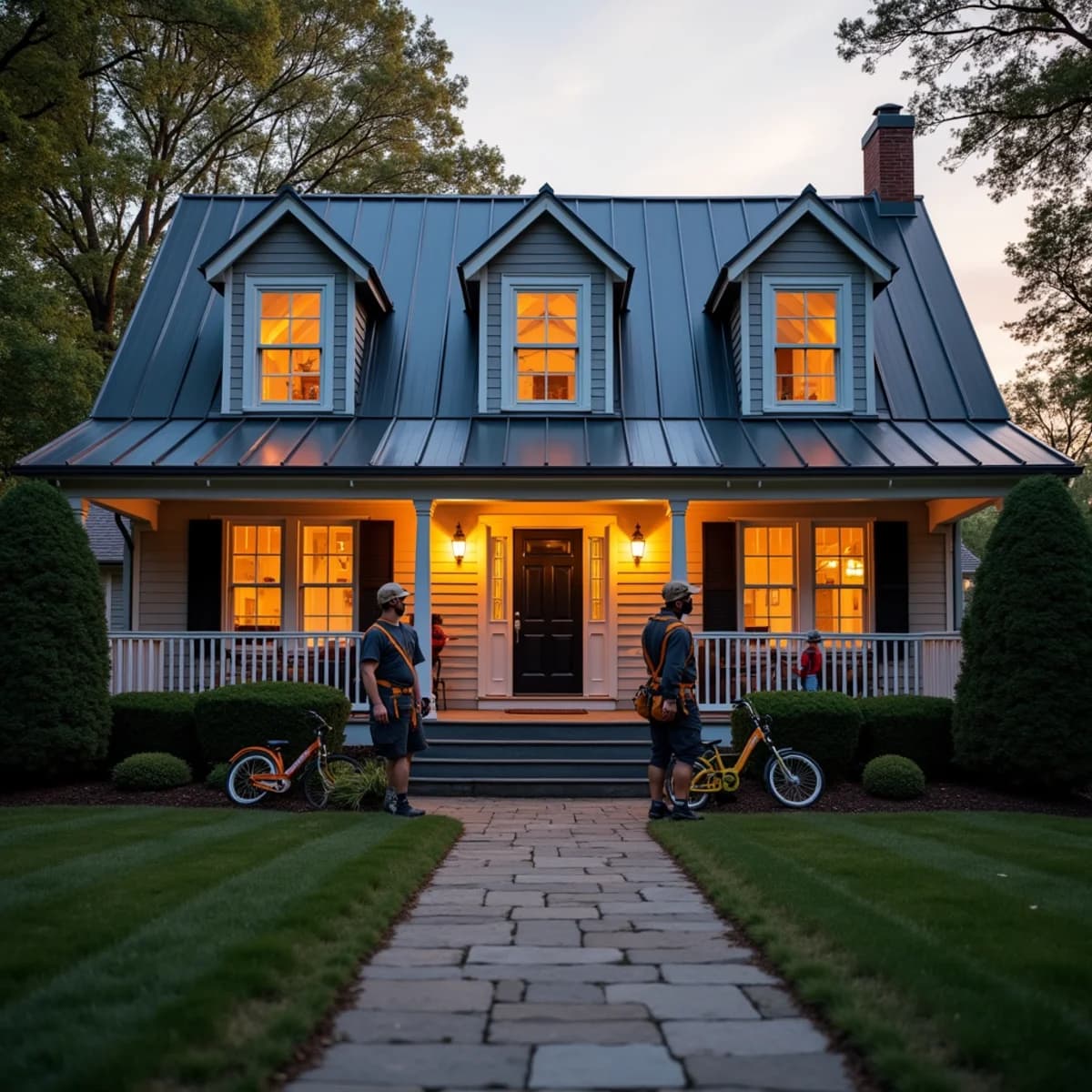
You plan to stay 15+ years
Long ownership is where metal's lifespan math beats asphalt, one roof instead of two, with minimal maintenance in between.
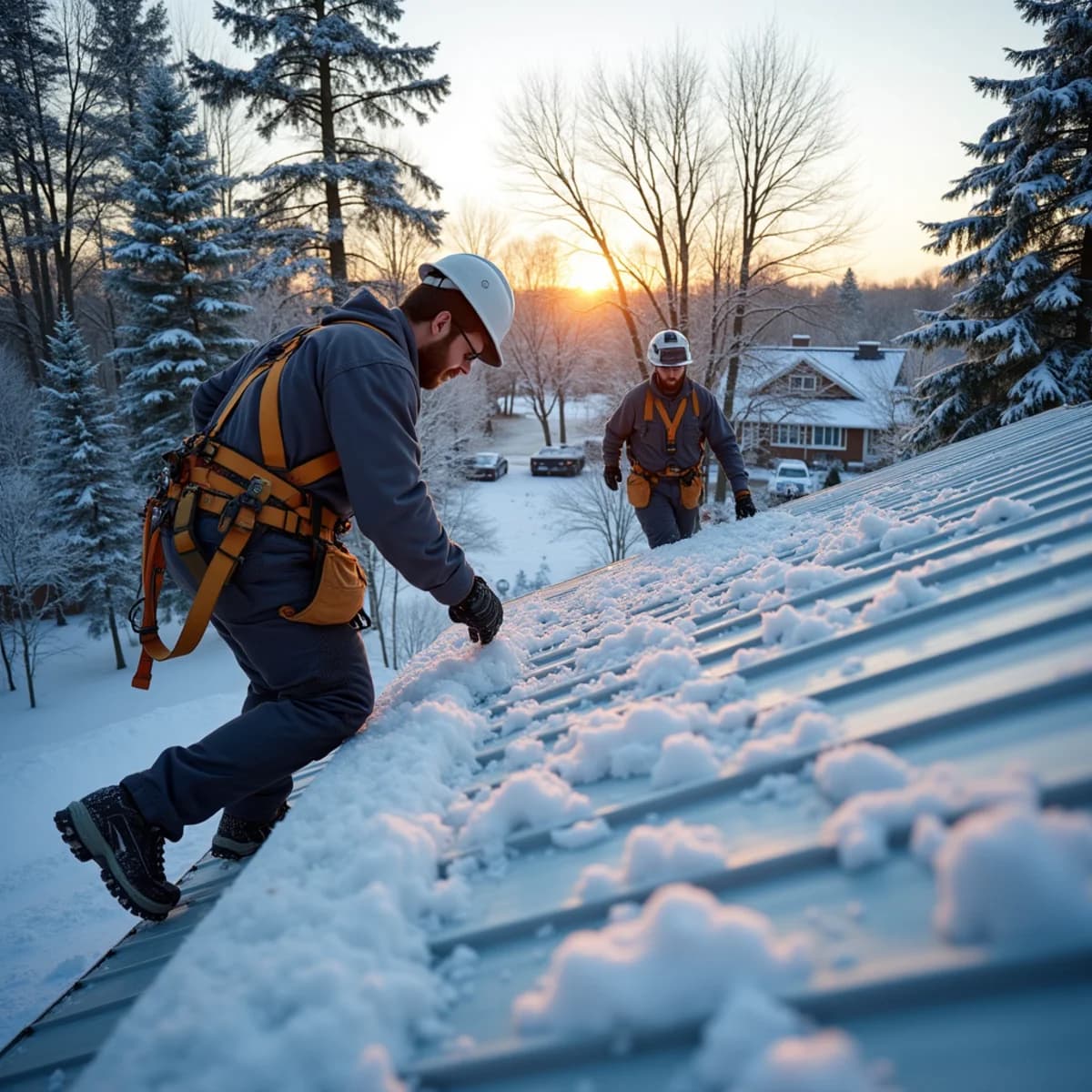
Your roof takes heavy snow
Smooth metal panels shed snow instead of holding it, reducing ice-dam formation at the eaves, a chronic issue in NJ freeze-thaw cycles.
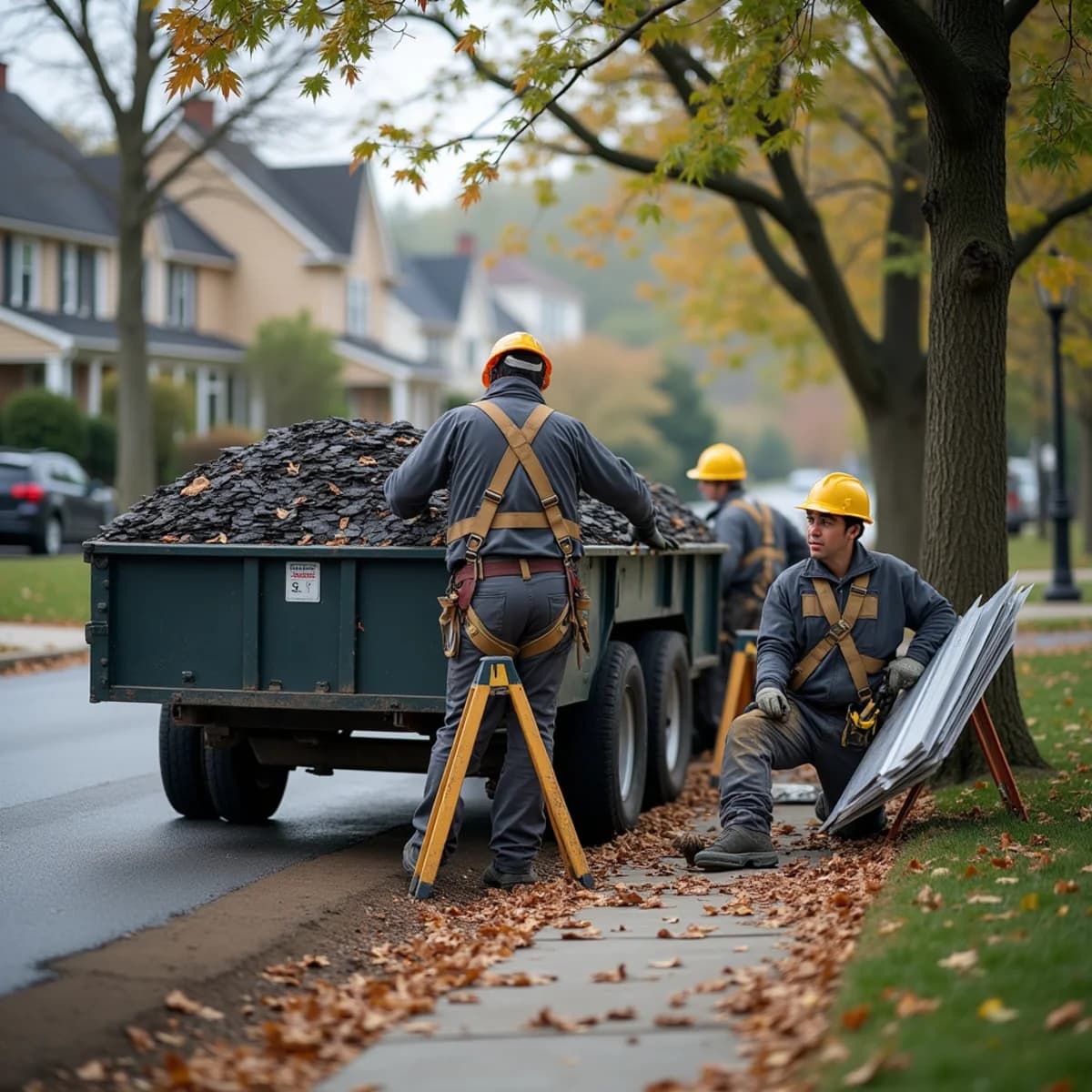
You're on your second or third asphalt roof
Homeowners tired of the 20-year replacement cycle often step up to metal precisely so they never do this again.
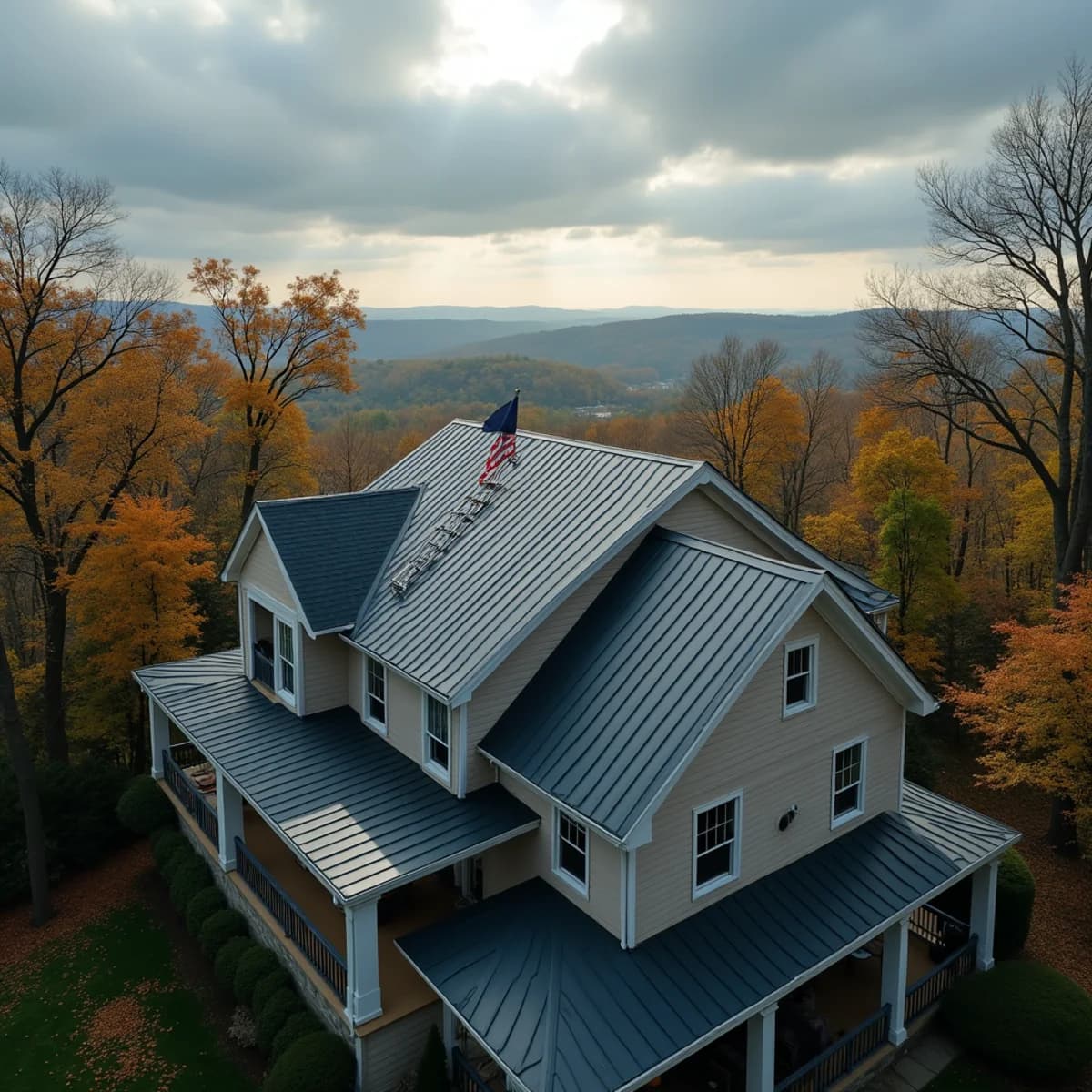
High wind exposure
Mechanically seamed metal systems carry some of the strongest wind-uplift ratings available for residential roofing.
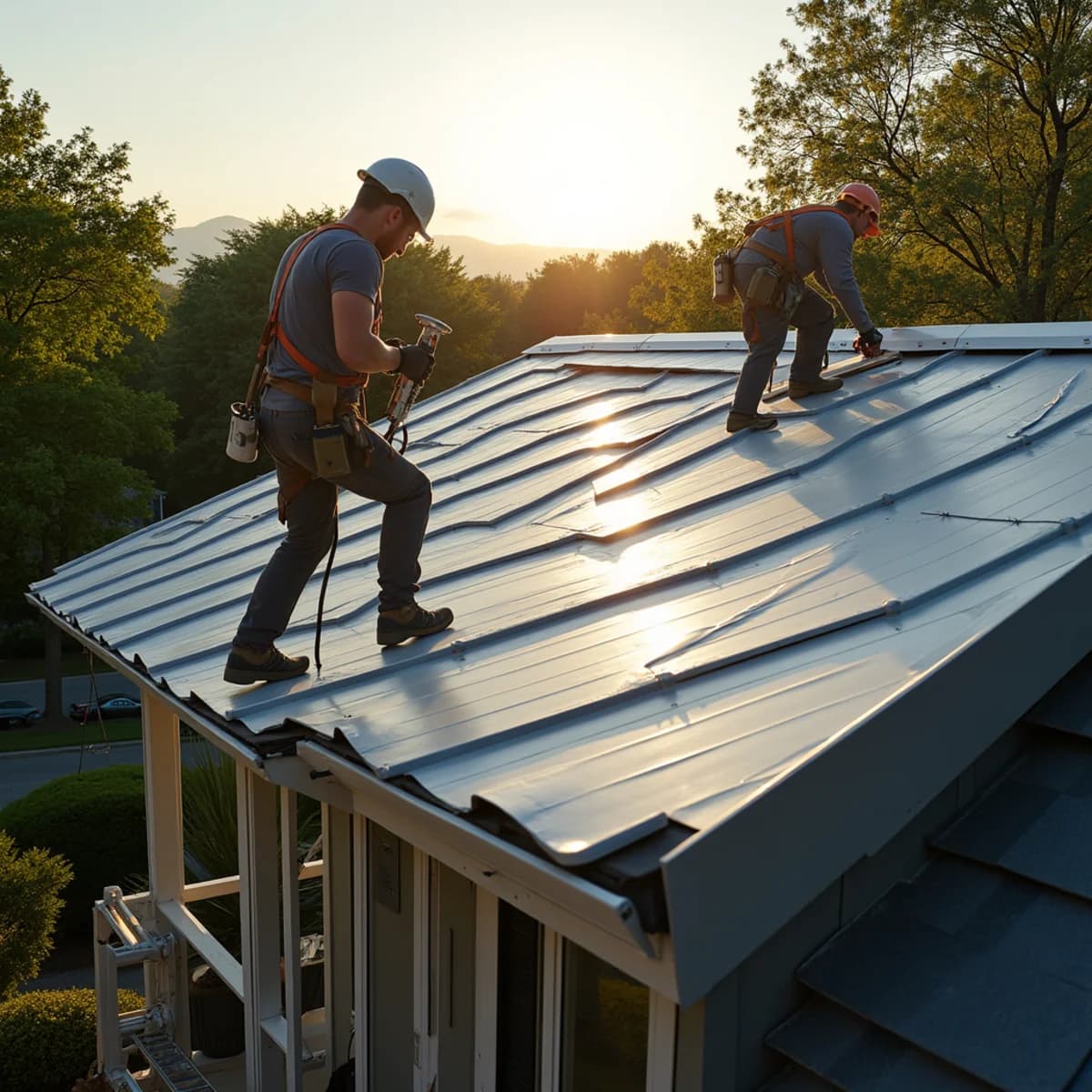
Energy bills matter to you
Reflective metal finishes reduce summer attic heat gain compared with dark asphalt, easing cooling loads in July and August.
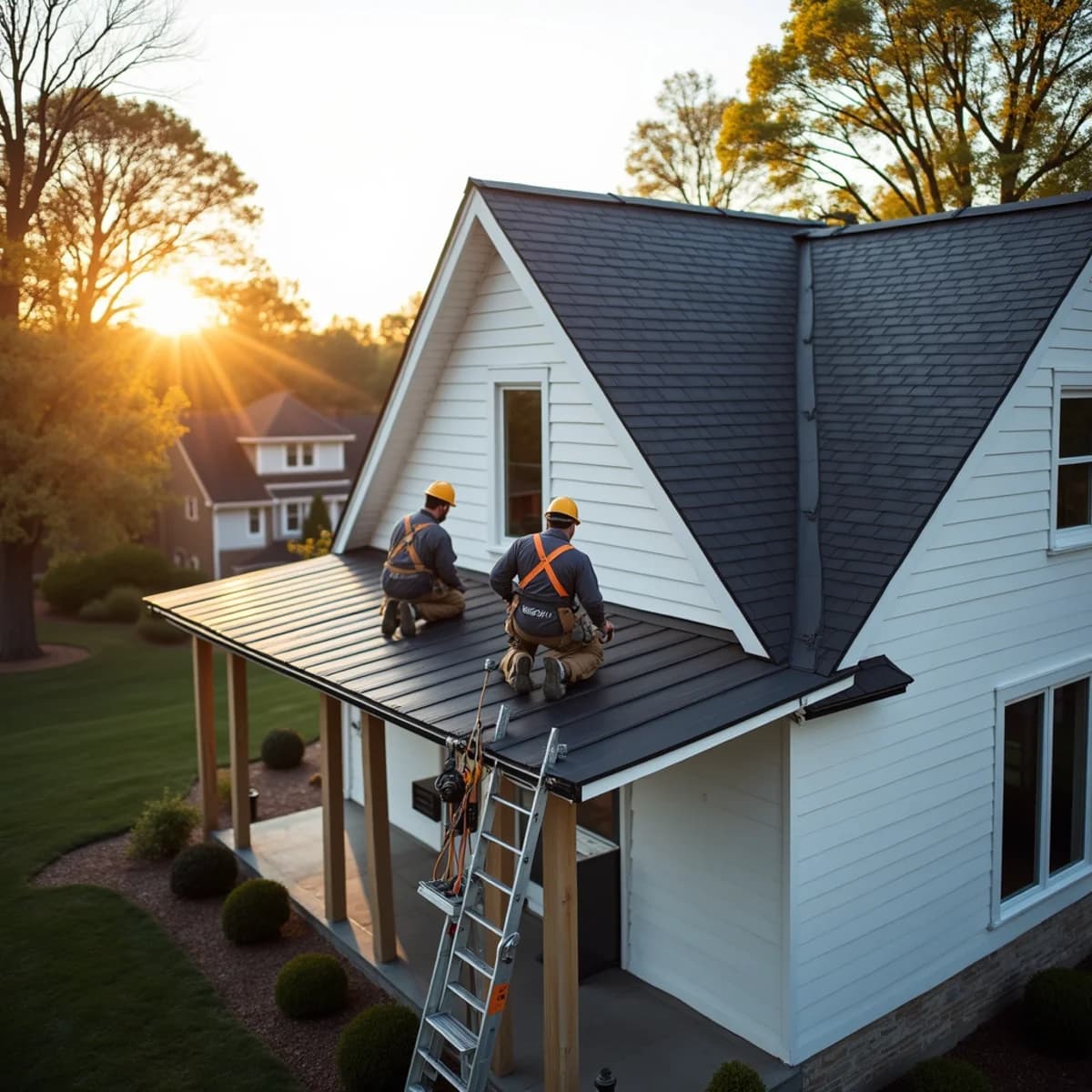
You want the roof to be an architectural feature
Standing seam's clean vertical lines suit modern renovations, farmhouses, and accent roofs over porches and bays.
How We Install a Metal Roof
Metal roofing is less forgiving of shortcuts than asphalt, expansion, fastening, and flashing details decide whether it lasts 50 years or leaks in 5. Our process:
Design consultation and measurement
We assess your roof's pitch, planes, and penetrations, then recommend panel profile, seam type, gauge, and finish, with samples you can see against your siding.
Substrate preparation
Old roofing is removed, decking verified, and a high-temperature synthetic underlayment installed, the correct spec beneath metal, where trapped heat degrades standard felt.
Panel fabrication and fitting
Panels are cut to your roof's exact dimensions, minimizing seams and waste. Trim, ridge, and flashing components are formed to match.
Concealed-fastener installation
Standing-seam panels attach with hidden clips that let the metal expand and contract through NJ's temperature swings without loosening, the failure point of cheap exposed-screw systems.
Flashing, ridge venting, and detail work
Chimneys, skylights, and sidewalls get formed-metal flashing; the ridge is vented and capped. Details are where metal roofs are won or lost.
Final inspection and warranty registration
We walk the finished roof, document it in photos, and register the finish warranty with the manufacturer on your behalf.
What Drives Metal Roofing Cost
Metal pricing varies more than asphalt because the material choices are wider. The real levers:
Panel system
Mechanically seamed standing seam sits at the top; snap-lock panels and metal shingles cost less; exposed-fastener panels are cheapest but trade away longevity.
Metal and gauge
Galvalume steel is the workhorse; aluminum resists corrosion near water; copper and zinc are premium architectural choices. Heavier gauge costs more and dents less.
Finish quality
PVDF (Kynar-class) paint finishes hold color for decades and cost more than entry-level polyester coatings that chalk and fade sooner.
Roof complexity
Every valley, dormer, and penetration requires custom-formed flashing, complexity affects metal pricing more than it does asphalt.
Tear-off and deck work
As with any re-roof, removing existing layers and correcting decking adds scope; metal's longevity makes getting the substrate right non-negotiable.
Metal vs. Asphalt: The Honest Comparison
Asphalt architectural shingles win on upfront cost and easy repairs; metal wins on lifespan, snow performance, wind rating, and summer heat reflection. Over a 50-year horizon, one metal roof frequently costs less than the two-plus asphalt roofs it replaces, but that only pays off if you own the home long enough to collect. We lay out this exact comparison for New Jersey conditions in our guide: architectural shingles vs. metal roofing in NJ. If asphalt is the better fit for your budget and timeline, our roof replacement team installs those systems too.
Common Metal Roofing Myths, Corrected
- "Metal roofs are loud in rain." Installed over solid decking and underlayment, the standard on homes, rain noise is comparable to asphalt, not a barn roof.
- "Metal attracts lightning." It doesn't increase strike probability; it's actually non-combustible, unlike asphalt.
- "You can't walk on it." Metal roofs can be walked for maintenance with correct footwear and placement; we show you where at handoff.
- "Metal rusts." Galvalume and aluminum systems with modern finishes are engineered specifically against corrosion for decades, that's what the finish warranty covers.
Metal Roofing FAQs
How long does a metal roof really last in New Jersey?
Quality standing-seam systems are generally expected to last 40 to 70 years depending on metal, finish, and installation quality. NJ's freeze-thaw cycles and coastal-influenced storms are exactly the conditions concealed-fastener systems are engineered for, the critical variable is detail work at seams and flashings.
Is a metal roof worth the higher upfront cost?
If you'll own the home 15+ years, usually yes, you skip at least one full asphalt replacement cycle plus its tear-off costs. If you may sell within a decade, architectural asphalt often makes more financial sense. We'll show you both numbers for your actual roof.
Can a metal roof be installed over my existing shingles?
Technically sometimes, but we recommend tear-off: it exposes deck problems, keeps total roof weight and thickness down at the details, and gives the underlayment a flat substrate. A 50-year roof deserves a verified deck under it.
Does a metal roof help with ice dams?
It helps, smooth panels shed snow before deep pack builds up, and metal doesn't absorb water into seams the way aged shingles do. Proper attic insulation and ventilation remain part of the fix, and we assess both during the consultation.
What maintenance does a metal roof need?
Very little: keep gutters and valleys clear of debris, and have fasteners, sealants, and penetration flashings checked periodically, our annual roof maintenance visit covers all of it.