
How Long Does a Roof Last in New Jersey? Lifespan by Material (and What Shortens It)
Reviewed by the Roofing Renew team · Published · Last updated
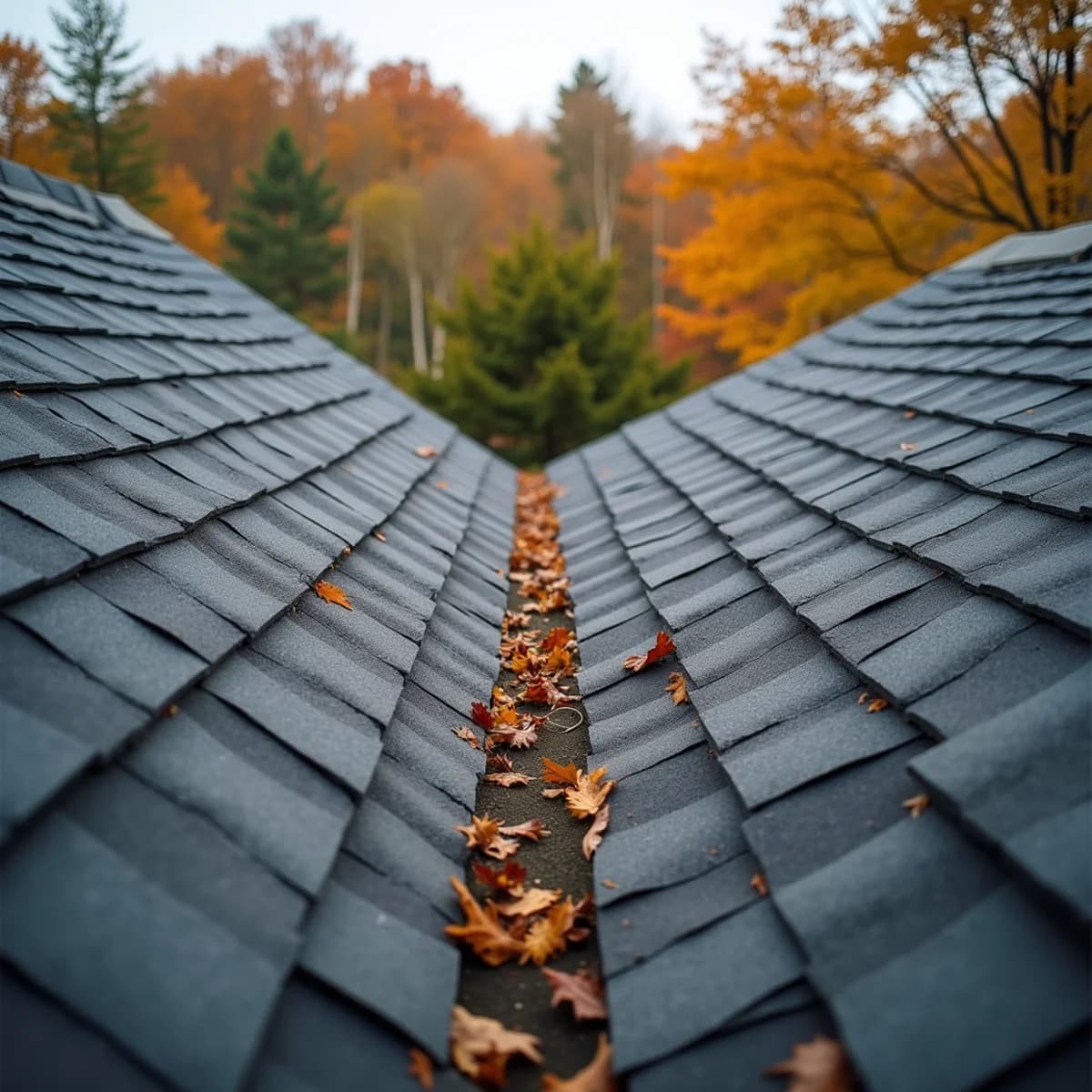
In New Jersey's climate, architectural asphalt shingles realistically last 20 to 30 years, standing-seam metal 40 to 70, and flat-roof membranes like EPDM roughly 20 to 30, with installation quality, attic ventilation, and maintenance deciding which end of each range your roof reaches.
Those ranges are wide on purpose. Two identical shingle bundles installed on two Bergen County homes can die fifteen years apart. Here's what the ranges really mean and what moves your roof within them.
Roof Lifespan by Material in New Jersey
- Three-tab asphalt shingles: roughly 15–20 years, the aging budget option, increasingly rare on new work.
- Architectural asphalt shingles: roughly 20–30 years, the standard on most NJ homes today.
- Premium/designer asphalt: toward 25–35 years with heavier mats and better wind ratings.
- Metal (standing seam, concealed fastener): roughly 40–70 years depending on metal and finish, see our shingles vs. metal comparison.
- Flat membranes: EPDM about 20–30 years, TPO about 20–25, modified bitumen about 15–20, drainage dependent, as our flat roofing page explains.
- Cedar shakes: about 20–30 years with real maintenance; slate and tile: 50–100+, outliving their fasteners and flashings.
Important honesty note: the '30-year' or 'lifetime' label on a shingle wrapper is a warranty term, not a performance promise, and those warranties prorate sharply and carry conditions. Plan around realistic service life, not marketing names.
What New Jersey's Climate Does to a Roof
Four seasons, each with its own attack. Winter freeze-thaw cycles work water into every crack and pry it wider, the single biggest ager of asphalt here. Nor'easters and summer storm cells bring wind that lifts shingles and breaks seal strips. July attic temperatures bake asphalt from below when ventilation is poor. And humidity feeds the algae streaking and north-slope moss that hold moisture against shingles. Coastal-adjacent Bergen County and the exposed ridges of Somerset County each get their own emphasis of the four.
The 5 Things That Quietly Shorten Roof Life
1. Poor attic ventilation
An under-vented attic superheats in summer, cooking shingles from beneath, and stays warm in winter, melting snow that refreezes into ice dams at the cold eaves. Ventilation problems routinely take five to ten years off an asphalt roof, and they're fixable.
2. Clogged gutters
Backed-up water wicks under the lowest shingle courses and rots the roof edge, then feeds winter ice dams. Twice-a-year clearing, or guards under heavy tree cover, is cheap life insurance; see gutter installation for sizing it right.
3. Skipped small repairs
A cracked pipe boot or lifted flashing corner leaks slowly for years, rotting decking the whole time. The roof then 'fails early' when really a minor, inexpensive fix was skipped in year 12.
4. Bad installation
High nailing, missed seal lines, skipped ice-and-water membrane, reused flashings, installation sins surface at year 8 instead of year 25 and void warranty arguments. This is why the installer matters more than the shingle brand.
5. Tree cover and debris
Overhanging limbs abrade shingles, drop debris that dams valleys, and shade slopes into growing moss. The leafy streets that make towns like Bergenfield and the wooded lots of Bedminster so livable are also why those roofs need more regular attention.
Don't Know Your Roof's Age? Read the Clues
Bought the house without roofing records? You can narrow the age without paperwork. Check your closing documents and the seller's disclosure for a replacement date; look in the attic for a permit sticker or dated underlayment wrapper; ask neighbors with matching houses when theirs was done, whole blocks were often roofed within a few years of each other. Visually, a roof in its first decade still has crisp shingle edges and even color; uniform granule thinning, lifting corners, and widespread moss generally mark the back half of its life. When the estimate matters, budgeting, selling, or an insurance question, a professional inspection pins the condition down regardless of the calendar.
How to Reach the High End of the Range
The formula isn't secret: correct installation with real ventilation, drainage kept clear, small failures fixed the season they appear, and a periodic professional look at the details you can't see from the ground. That's the entire logic of an annual maintenance visit, and it's the difference between replacing at 18 years and at 28. If you don't know where your roof currently sits in its lifespan, a documented roof inspection answers it with photos and an honest time horizon.
Quick Answers
My roof is 20 years old but not leaking. Should I replace it?
Not on age alone. Age plus symptoms, curling, heavy granule loss, repeated repairs, is the replacement signal. A 20-year-old roof that inspects clean can have real years left; the inspection tells you whether to budget for two years out or ten.
Does homeowners insurance replace an old roof?
No, insurance covers sudden damage (storms, fallen limbs), not wear-out. Some policies also pay aging roofs at depreciated value rather than replacement cost, which is worth checking before you need it.
Do roofs on the north side really age differently?
Slopes age unevenly: south and west faces take the most UV and heat; north slopes hold moisture and grow moss under shade. An inspection evaluates each plane, sometimes one failing slope can be addressed before the whole roof follows.