
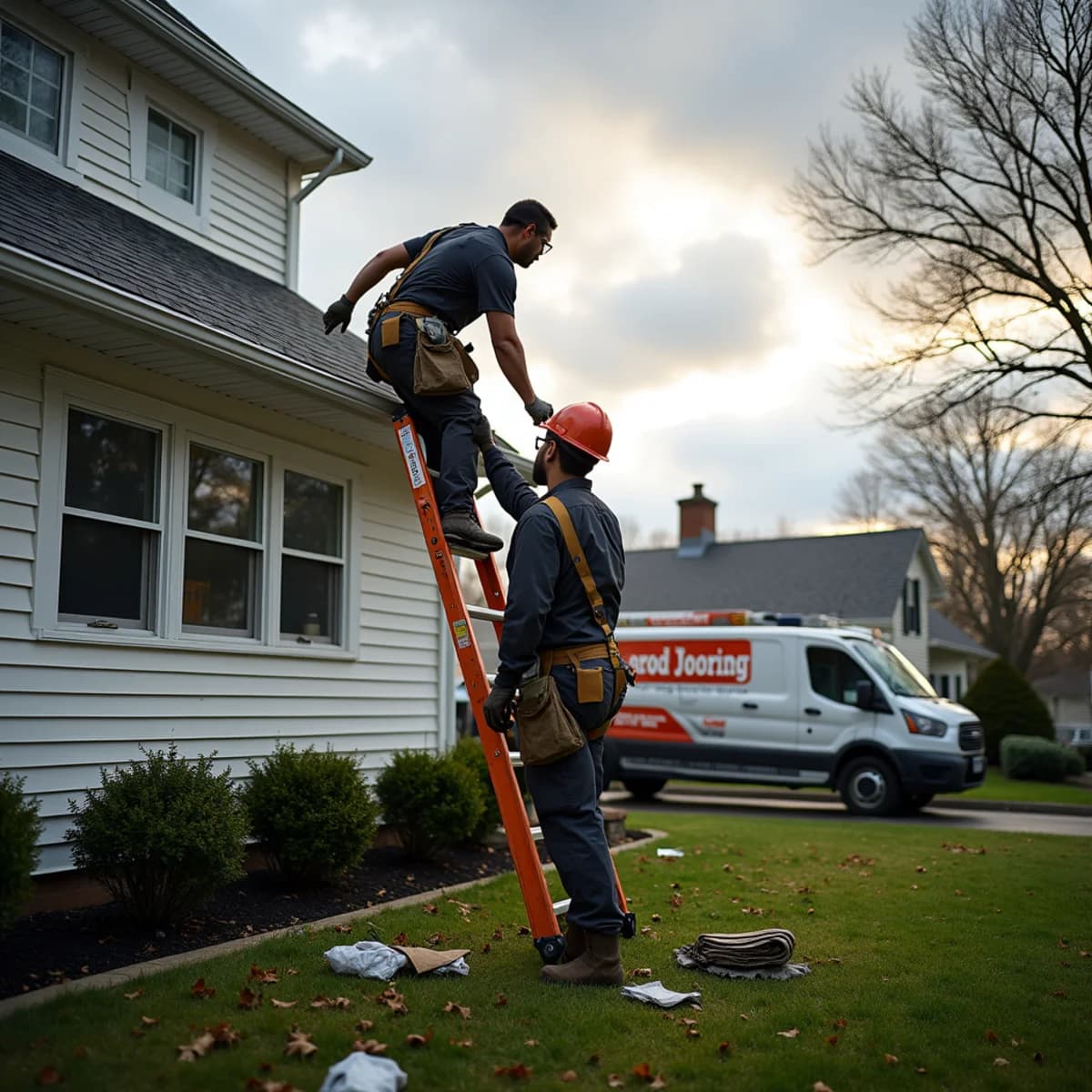
After a damaging storm, you need three things in order: the damage stopped from getting worse, honest documentation of what happened, and a repair that restores the roof, not a cosmetic patch that fails next season. Roofing Renew handles all three for homeowners in Bergenfield, Bridgewater, and Bedminster, NJ, including the photo documentation your insurance claim will depend on.
New Jersey's storm mix, nor'easters, summer severe-weather cells, the occasional tropical remnant, produces wind, hail, and debris damage that often isn't visible from the ground. If a storm just rolled through your area, a documented assessment is worth it even if your ceilings are dry today.
Reviewed by the Roofing Renew team · Published · Last updated
What Storm Damage Actually Looks Like
Some storm damage is obvious. The expensive kind usually isn't. Here's what we look for after NJ wind and hail events:
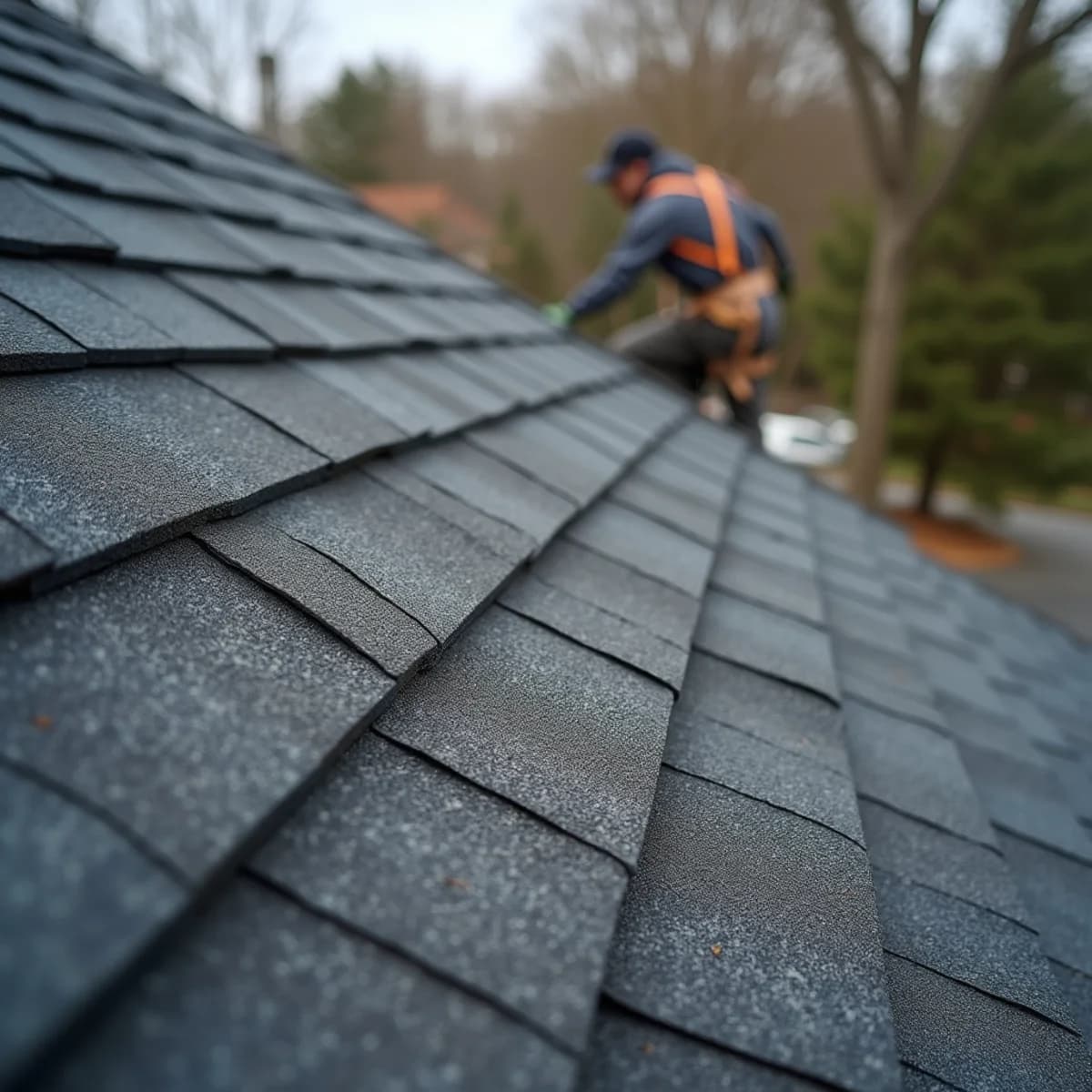
Missing and creased shingles
Wind lifts shingles and creases them at the nail line even when they fall back into place. Creased shingles have lost their seal and will fail, that counts as damage for insurance purposes.

Hail bruising
Hail knocks granules loose and bruises the mat beneath. From the ground it's invisible; on the roof it reads as soft dark circles that become leaks months later.

Lifted or bent flashing
Gusts work metal flashing loose at chimneys and walls, opening water paths that only show up in the next hard rain.

Debris impact points
Branches and wind-borne debris crack shingles and can fracture the decking beneath, damage that needs opening up, not just a surface patch.
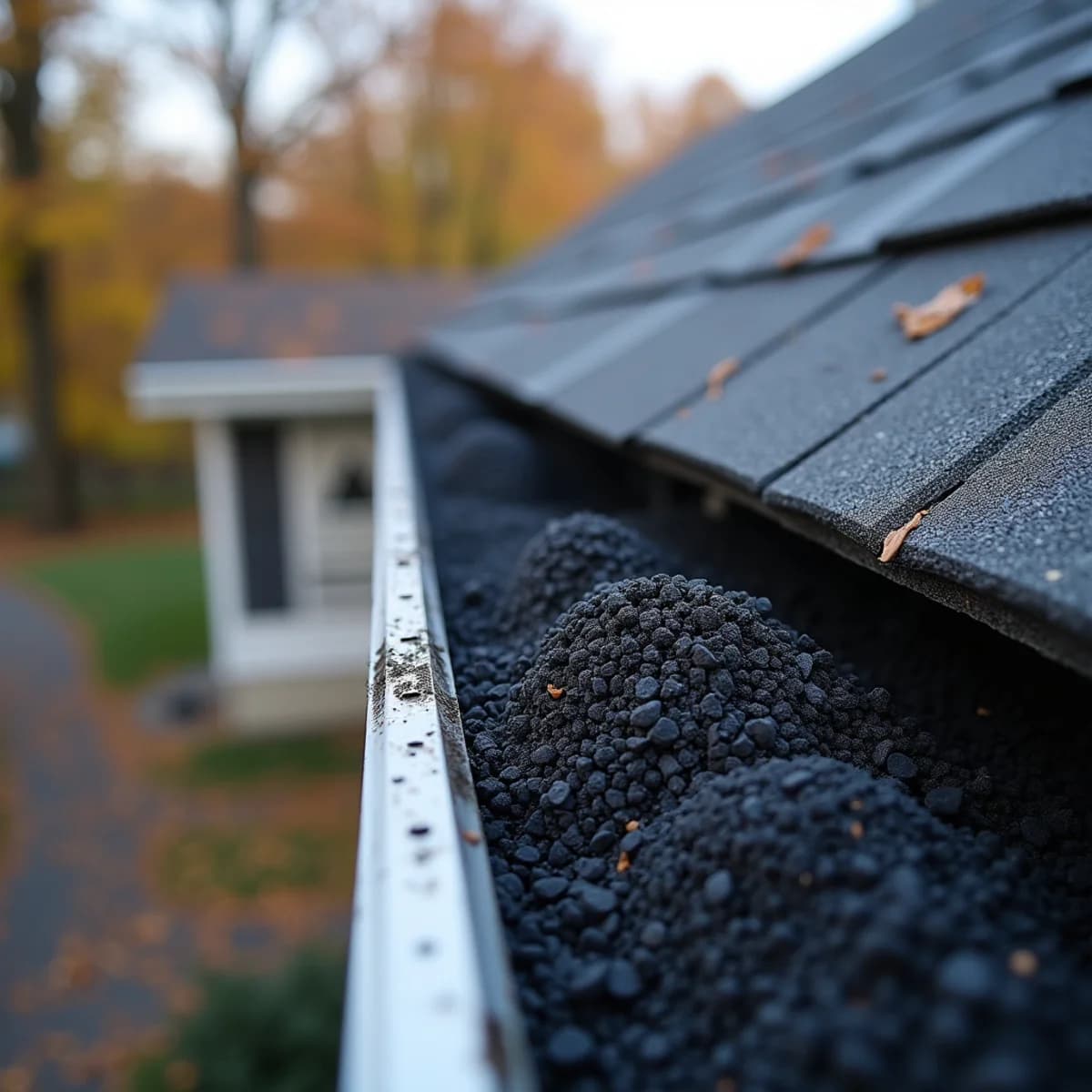
Granules piled in gutters and downspouts
A sudden flush of granules after one storm is accelerated wear evidence worth documenting immediately.

Damaged ridge caps and vents
The ridge line takes the brunt of wind; cracked caps and displaced vents are among the most common post-storm findings.
Our Storm Damage Response Process
Storm work done right protects both your roof and your insurance claim. Here's the sequence:
Stabilize first if needed
Active leaks get emergency tarping before anything else, insurers expect you to prevent further damage, and we document the temporary measures too.
Full damage assessment
Roof surface, flashings, gutters, siding, and attic checked systematically, storm damage rarely confines itself to one slope.
Insurance-grade documentation
Date-stamped photos of every damage point, a written scope of what the storm did versus pre-existing wear, the distinction adjusters care about most.
Claim support
We provide the documentation, meet your adjuster on site if you'd like, and answer scope questions directly. The claim is yours; the evidence is ours to provide.
The repair itself
From shingle and flashing replacement up to full-slope restoration, repaired to match the rest of the roof and documented with after photos.
What Affects Storm Repair Pricing
Storm repairs range from a handful of shingles to full-slope work. The variables:
Damage extent and spread
One slope of creased shingles differs from hail bruising across the whole field, the assessment maps it before anyone quotes anything.
Hidden damage
Debris strikes and long-running leaks can involve decking and framing beneath the surface, discovered and priced only when opened up.
Material matching
Matching your existing shingle line and color affects sourcing; widespread damage sometimes makes replacement more economical than piecemeal matching.
Insurance scope alignment
Where a claim applies, we work to the adjuster-approved scope; your out-of-pocket is typically your deductible, and we're transparent about any difference.
A Warning About Storm Chasers
After every major Bergen or Somerset County storm, out-of-state crews canvass neighborhoods door to door, promising 'free roofs' through insurance. Some are legitimate; many inflate scope, demand you sign an assignment of benefits on the spot, and are gone before the first callback. Protect yourself: never sign anything at the door, verify any contractor's NJ registration, and get your own independent damage documentation first. A local contractor who answers the same phone number year-round, and who you can call back in February, is your safest route. Our guide to NJ storm damage insurance claims covers the full do's and don'ts.
Does Insurance Cover My Storm-Damaged Roof?
Standard NJ homeowners policies generally cover sudden storm damage, wind, hail, falling debris, but not gradual wear or damage from deferred maintenance. That's why documentation distinguishing the two is decisive for your claim. Timing matters too: report promptly, and stabilize active leaks immediately (our emergency roof repair line runs 24/7). If you're unsure whether what you're seeing is storm damage or age, a documented roof inspection answers it with photos before you ever open a claim.
Storm & Hail Damage Repair FAQs
Should I file an insurance claim before or after getting a roofer's assessment?
Get the assessment first. If damage is minor and below your deductible, filing may not be worth it; if it's substantial, you'll open the claim with photo evidence and a written scope instead of guesses. Either way you avoid an adjuster visit with nothing documented.
The storm was weeks ago and my ceiling just stained now, is that still storm damage?
Very possibly. Hail bruises and creased shingles often take weeks or months to leak. An inspection can usually tie the damage pattern to the storm event, another reason prompt post-storm documentation pays off.
Will you deal with my insurance company for me?
We provide the documentation, meet the adjuster on site, and answer every scope question, but the claim stays in your name and under your control. Be wary of anyone who asks you to sign over your claim benefits at the door.
What if the adjuster approves less than the roof needs?
It happens, and there's a process: we document the gap item by item and you can request a re-inspection with our findings in hand. We'll tell you honestly whether the difference is worth disputing.
Do you handle storm damage in Bedminster and Bridgewater?
Yes, all three towns. Somerset County's exposed ridgelines around Bridgewater and the large roof planes in Bedminster's townhome communities each have their own typical storm-damage patterns, and we work both regularly.