
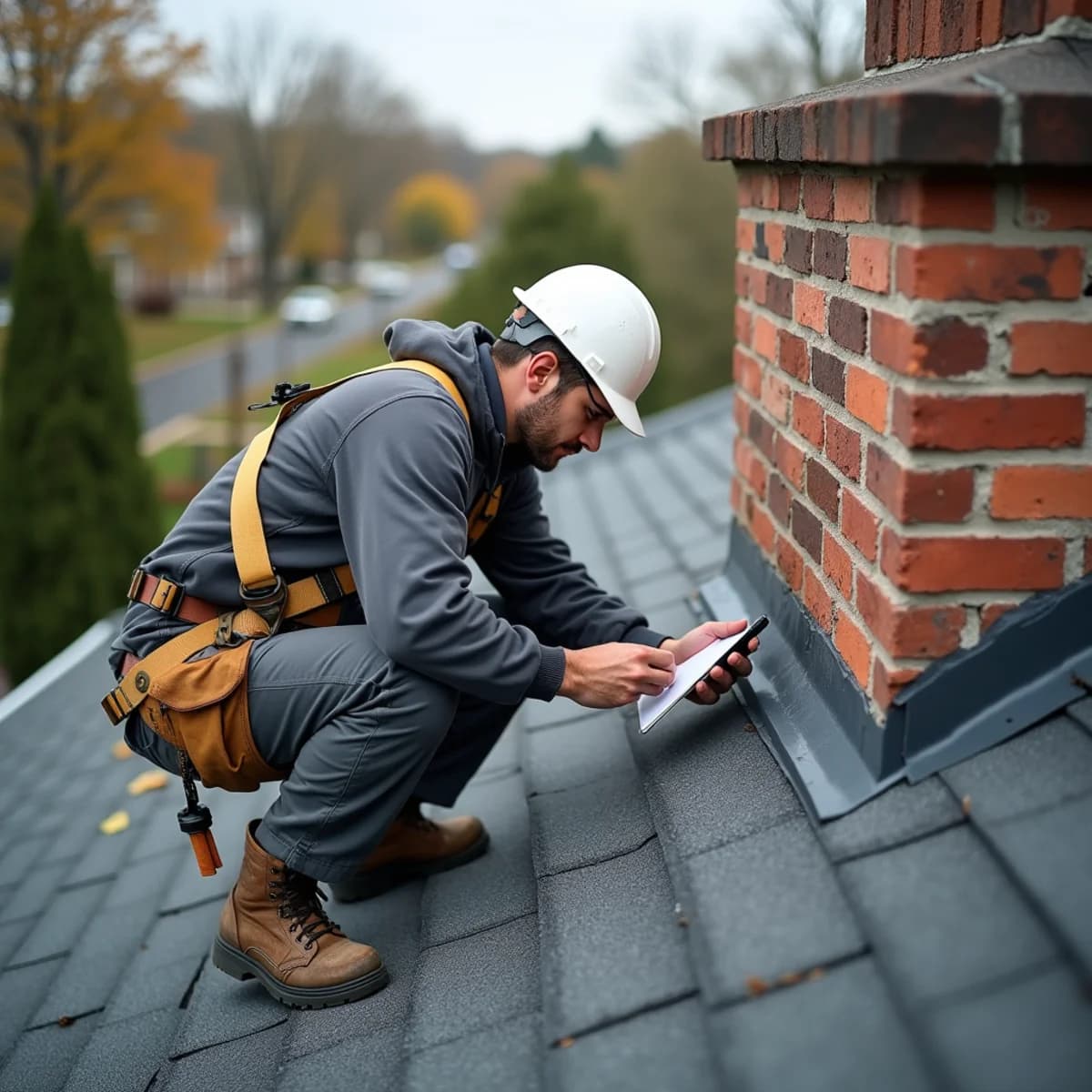
A professional roof inspection tells you, with photos and a written summary, exactly what condition your roof is in, what's fine, what needs attention soon, and what's urgent. Roofing Renew performs inspections across Bergenfield, Bridgewater, and Bedminster, NJ for homeowners, buyers, sellers, and anyone whose roof just went through a major storm.
The deliverable matters: you don't get a verbal 'looks okay', you get documented evidence of your roof's condition you can act on, file with an insurance claim, or hand to a home buyer.
Reviewed by the Roofing Renew team · Published · Last updated
When You Should Have Your Roof Inspected
You don't need a leak to justify an inspection. These are the moments when one earns its keep:
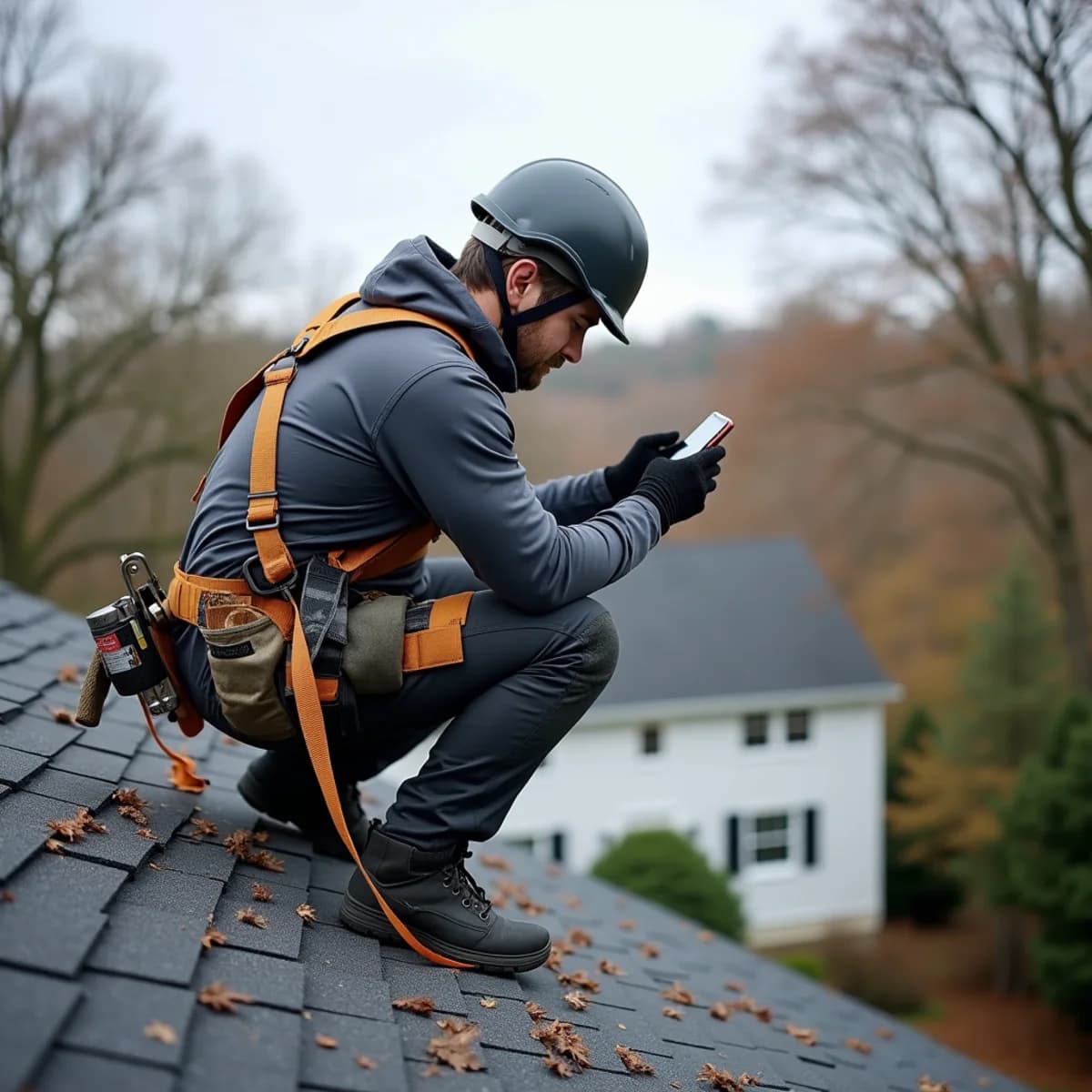
After any major storm
Wind and hail damage is often invisible from the ground, lifted shingles reseal crooked, and hail bruises show up as leaks months later. Post-storm checks also start the insurance clock correctly.

Before buying a home
A general home inspector looks at the roof briefly, usually from a ladder or the ground. A roofing-specific inspection prices out what the next five years of that roof will actually cost you.

Before selling
Knowing your roof's condition before listing prevents the buyer's inspector from turning it into a last-minute negotiation lever.
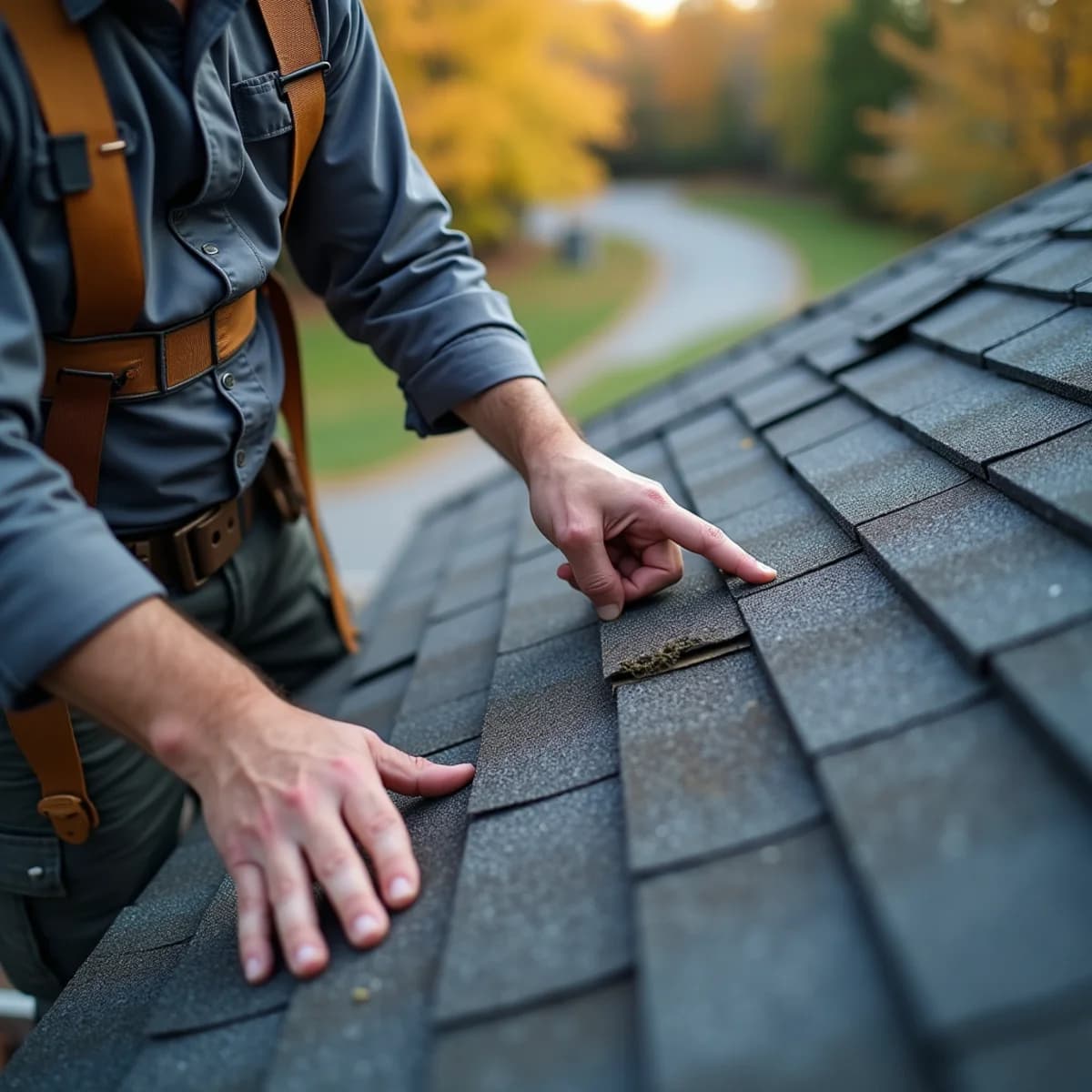
A roof 15+ years old with no recent check
Mid-life is when small failures start, boots, sealants, flashing, and when catching them cheaply still matters.

A stain, smell, or attic moisture you can't explain
Slow leaks hide. An inspection traces moisture to its source before drywall and framing pay the price.

Before and after solar panel installation
Panels last 25+ years; putting them on a 15-year-old roof means paying to remove and reinstall them mid-life. Verify the roof first.
What Our Roof Inspection Covers
A real inspection is systematic, not a glance from the driveway. Ours covers the roof from above and below:
Exterior surface inspection
Shingle condition (curling, cracking, granule loss), fastener issues, and the state of every ridge, valley, and slope, walked where safe to do so.
Flashing and penetration check
Chimney flashing, step and counter flashing, pipe boots, vents, and skylight perimeters, the components that cause most leaks get the closest look.
Gutter and drainage review
Granule accumulation (a shingle-wear indicator), fastening, pitch, and whether water actually leaves the roof the way it should.
Attic-side assessment
Where access allows: decking stains, daylight points, insulation condition, and ventilation adequacy, half of what ages a roof happens from underneath.
Written photo report
Findings organized by urgency: fine as-is, monitor, repair soon, fix now, each with photos, so you can see exactly what we saw.
Straight recommendations
If the roof is healthy, the report says so. If repairs make sense, they're itemized. If replacement is approaching, you get a realistic time horizon, not a scare pitch.
What Affects Roof Inspection Pricing
Inspection pricing is straightforward. What moves the cost of a full documented inspection:
Roof size and number of planes
More slopes, dormers, and levels mean more surface to walk and document.
Pitch and access
Steep or high roofs require harness work; some surfaces are safely inspectable only from ladders, eaves, or elevated vantage points.
Attic accessibility
Full attic-side review depends on hatch access and clearance; finished attics limit (and simplify) that portion.
Documentation depth
A pre-sale or insurance-grade report with complete photo documentation takes longer than a quick storm check.
Why a Roofer's Inspection Beats a Drive-By Opinion
Storm-chasing crews canvassing Bergen and Somerset County neighborhoods after weather events have one incentive: to find a replacement whether you need one or not. An inspection with written, photographed findings is your defense, it establishes what's actually true about your roof. If we find storm damage, our report feeds directly into your insurance claim documentation and, if needed, storm damage repair. If we don't, you've bought peace of mind and a baseline record that makes future damage easy to prove.
Inspection Timing for New Jersey Roofs
The best cadence for most NJ homes: once a year, spring, after freeze-thaw season has done its worst, plus after any storm with damaging wind or hail. Pair the annual check with gutter cleaning and minor sealing through our roof maintenance program and most roofs reach the far end of their expected lifespan; our guide to how long roofs last in NJ shows what that timeline looks like per material.
Roof Inspection FAQs
How long does a roof inspection take?
Most single-family inspections take about an hour on site, longer for large, steep, or complex roofs. The written photo report follows shortly after, same day in most cases.
Is the inspection really unbiased if you also sell repairs?
The report is photo-evidence-based precisely so you don't have to take our word for anything, every recommendation is tied to a picture of the actual condition. A large share of our inspections end with 'your roof is fine, recheck in a year.' That honesty is why homeowners call us back.
Can I use your inspection report for an insurance claim?
Yes. Post-storm inspection reports document damage type, location, and extent with photos, the format adjusters need. We can also meet your adjuster on site to walk the findings.
Do you inspect roofs for home purchases in Bridgewater and Bedminster?
Yes, pre-purchase roof inspections are common for us across all three towns, including Bridgewater's larger colonial roofs and the townhome communities in Bedminster (with association approval where required).
What if you find a problem during the inspection?
It goes in the report with a photo and an urgency rating, and you get an itemized repair estimate if you want one. There's no obligation, the report is yours to use with any contractor.