
What Drives Roof Replacement Cost in New Jersey? 9 Factors That Set Your Price
Reviewed by the Roofing Renew team · Published · Last updated
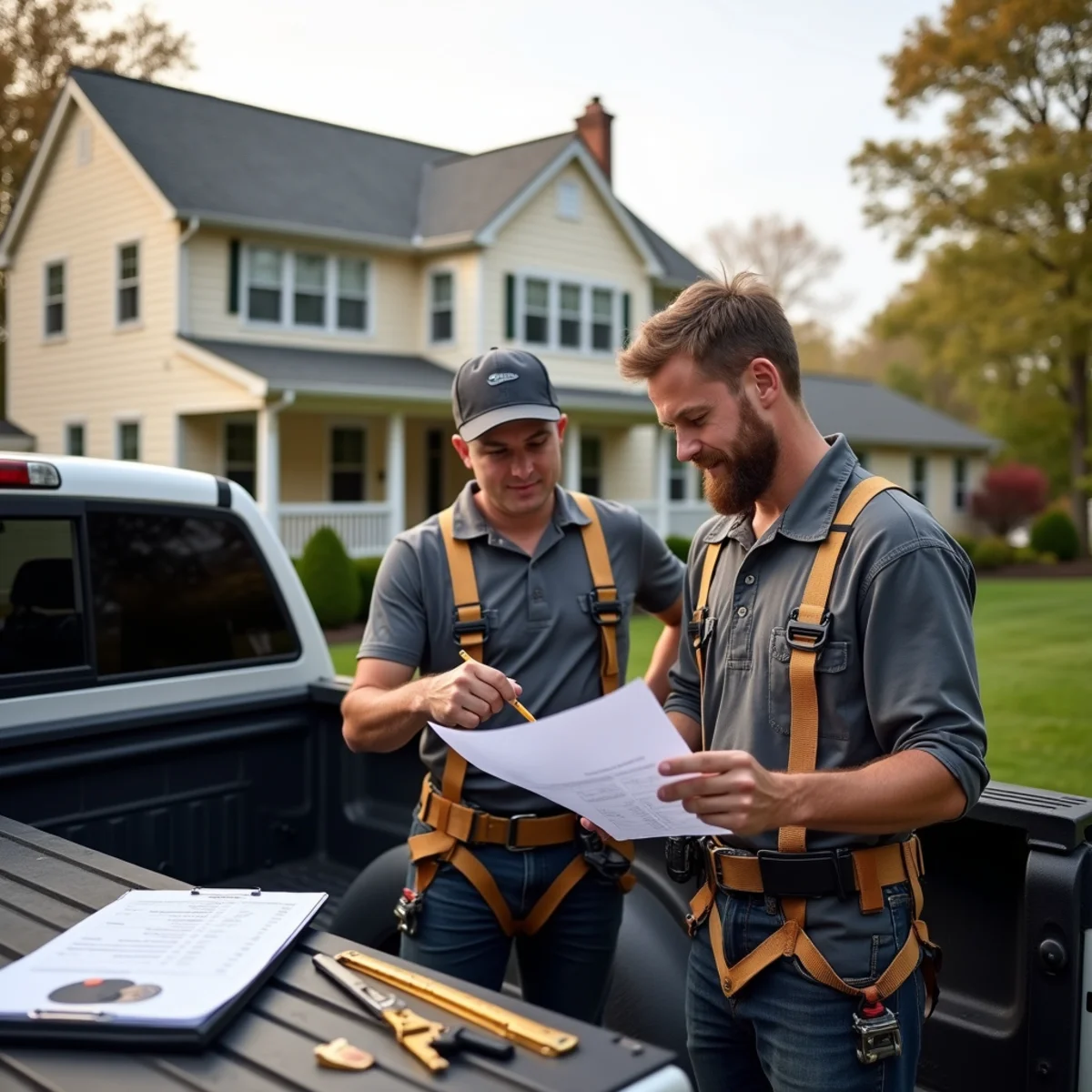
Roof replacement cost in New Jersey is set by nine measurable factors: roof size, pitch, complexity, material system, tear-off layers, decking condition, ventilation needs, access, and disposal. No honest contractor can give you a real price without measuring them, which is why this guide explains the factors instead of quoting a misleading flat number.
Understanding these nine variables does something more useful than any price chart: it lets you read competing quotes line by line and spot both padding and corner-cutting before you sign.
1. Roof Size, Measured in Squares, Not House Square Footage
Roofers price in 'squares', one square is 100 square feet of roof surface. A home's roof area is always larger than its floor plan because pitch stretches the surface, and overhangs add more. Two 2,000-square-foot homes can carry very different roof areas, which is why quotes over the phone without measurement are guesses.
2. Pitch, Steeper Costs More
Pitch drives cost twice: steep roofs have more surface per footprint, and past roughly a 7/12 slope crews need harnesses, roof jacks, and staging that slow every task. The steep gables on older colonials around Bergen County towns like Bergenfield routinely price differently than a shallow split-level roof of the same footprint.
3. Complexity, Valleys, Dormers, and Penetrations
Every valley, dormer, chimney, skylight, and vent pipe interrupts the shingle field and needs cut work and flashing. A simple two-plane gable installs fast; a roof with intersecting gables and three dormers, common on the larger colonials in Bridgewater, can take half again as long for the same square count.
4. Material System, the Widest Price Lever
Three-tab shingles cost least and are fading from the market for good reason. Architectural shingles are today's standard: better wind ratings and lifespan for moderately more money. Designer shingles and standing-seam metal sit above that, with metal often doubling the upfront price while potentially outlasting two shingle roofs. The system choice is the single biggest number you control.
5. Tear-Off, How Many Layers Come Up
Removing one layer of old shingles is standard. If a previous owner roofed over the original layer (code limits layering), you're paying to tear off and dispose of two roofs. Layering over again to save money is usually false economy, it hides deck problems and shortens the new roof's life.
6. Decking Condition, the Honest Unknown
Nobody can see the plywood under your shingles until tear-off. Good contractors handle this honestly: a stated per-sheet price for replacing any rotted decking, photos of what they find, and your sign-off before covering it. Treat a quote with no decking language as a red flag, the surprise bill comes later.
7. Ventilation and Code Items
New Jersey's freeze-thaw winters make ice-and-water membrane at eaves and proper attic ventilation more than box-checking, under-vented attics cook shingles in summer and feed ice dams in winter. Correcting ventilation during replacement adds modest cost and is one of the best-value lines on the quote.
8. Access, What the Crew Works Around
Tight lot lines, landscaping against the house, fences, pools, and long material carries all add labor hours. So does a third story. None of these are big line items alone, but they explain honest price differences between similar roofs.
9. Disposal and Logistics
An asphalt tear-off generates tons, literally, of debris. Dumpster placement, hauling distance, and disposal fees vary by town and job. It's a small slice of the total, but it's on every legitimate quote.
How to Compare Two Roof Replacement Quotes
- Check the material spec line by line, same shingle class, underlayment type, and ice-and-water coverage, or the prices aren't comparable.
- Find the decking language: a per-sheet price stated up front beats a vague allowance or silence.
- Confirm tear-off scope (all layers, disposal included) rather than an overlay.
- Look for ventilation scope, a quote that ignores your attic is solving half the problem.
- Weigh warranty terms: workmanship coverage from the installer matters as much as the shingle wrapper's warranty.
Want these factors applied to your own home? Our roof cost estimator turns five quick answers into a personalized cost outlook. If your roof is at the repair-or-replace boundary, start with an honest roof inspection rather than a sales visit, and when you're ready for real numbers on a roof replacement, ask for a measured, written, line-item quote.
Quick Answers
Why won't roofers give a price over the phone?
Because five of the nine cost factors, size, pitch, complexity, layers, and access, can't be known without seeing the roof, and decking can't be known until tear-off. A phone price is either padded for safety or bait that changes later. A measured written quote protects you.
Is the cheapest quote usually the worst one?
Not automatically, but find out where the savings come from. Thinner underlayment, skipped ice-and-water membrane, an overlay instead of tear-off, or no decking provision are cuts you'll pay for later. Identical specs at a lower price is simply a better deal.
When is the cheapest time of year to replace a roof in NJ?
Late fall through early spring tends to have the most scheduling flexibility, while late summer and early fall book heaviest. Weather windows matter more than the calendar, though, asphalt seals best above roughly 40–45°F, so winter installs need the right stretch of days.