
Ice Dams in New Jersey: Why They Form and How to Stop Them
Reviewed by the Roofing Renew team · Published · Last updated
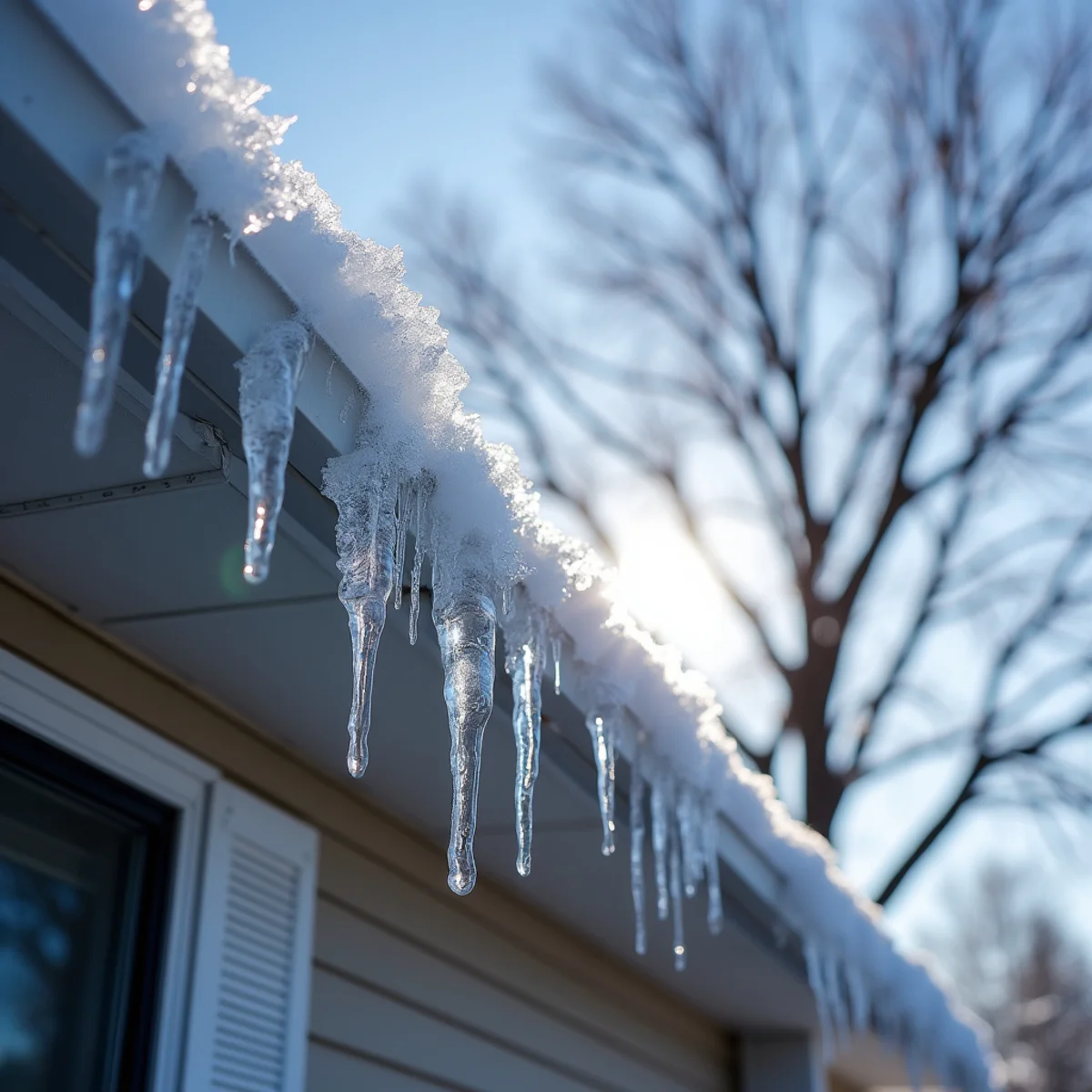
An ice dam is a ridge of ice that builds along a roof's cold eave, trapping meltwater behind it until the water backs up under the shingles and into the house. It forms when heat escaping into the attic melts the snowpack from below while the overhangs stay frozen, and the fix is almost never on the roof surface: it's ventilation, insulation, and drainage.
New Jersey's freeze-thaw winters are ideal ice-dam weather, and the postwar capes and split-levels across Bergen County grow them reliably. Here's the full picture before the first hard freeze arrives.
How an Ice Dam Actually Forms
Four ingredients: snow on the roof, heat leaking from the living space into the attic, a roof deck warm enough to melt the snow from underneath, and eaves that stay below freezing because they overhang unheated air. Meltwater runs down the warm deck, hits the frozen overhang, and refreezes. Each cycle thickens the ridge, and the pond of trapped water behind it grows until it finds the path shingles were never designed to resist: uphill, under the laps.
Why New Jersey Homes Are Prone to Them
Our winters hover around the freeze line, so roofs cycle between melt and refreeze for weeks at a time, which is exactly the rhythm that builds dams. The housing stock matters too. The expanded capes common in Bergenfield, with attic bedrooms and knee walls, are notoriously hard to insulate and ventilate evenly, and clogged gutters after a heavy Bergen County leaf drop give meltwater nowhere to go even before ice forms.
The Warning Signs, from Harmless to Urgent
- Large icicles along the eaves: the visible symptom of melt-refreeze cycling, and rarely just decorative.
- A ridge of ice visible at the gutter line: the dam itself, already holding water behind it.
- Water stains on exterior walls or soffits: meltwater escaping the roof edge the wrong way.
- Ceiling stains or drips near exterior walls during winter: water is already inside, and the insulation above is wet. That's a call, not a watch-and-wait.
Prevention That Actually Works
1. Air-seal and insulate the attic floor
The root cause is heat reaching the roof deck. Sealing attic bypasses (recessed lights, chases, hatch lids) and bringing insulation up to depth keeps the deck cold so snow melts evenly from the sun, not unevenly from your heating bill. This is the highest-value fix on the list.
2. Ventilate soffit to ridge
Continuous airflow under the deck flushes out whatever heat does escape. Balanced soffit intake and ridge exhaust is the standard; blocked soffit vents, painted-shut grilles, and insulation stuffed into the eaves are the usual NJ culprits we find.
3. Clear the gutters before the freeze
Gutters don't cause ice dams, but leaf-packed gutters freeze into a solid starter ridge and hold meltwater against the fascia. A late-fall clearing, or guards under heavy tree cover, removes the head start. It's a core item in our roof maintenance visit, timed after the leaf drop.
4. Ice-and-water membrane at the eaves
Modern code-compliant roof replacements include a self-sealing membrane running from the eave up past the warm-wall line. It doesn't prevent dams, but it makes the roof survive them without leaking, which is why older roofs without it suffer the worst interior damage.
A Dam Is Already There. Now What?
If water is not yet inside: remove snow from the lower few feet of roof with a roof rake from the ground, and leave the ice alone. If water is coming in: treat it like any active leak, contain it inside, and call for help, because our emergency line handles winter leak calls all season. What not to do: chip ice with a hatchet or shovel (shingles lose that fight), toss rock salt on the roof (it corrodes flashing and kills plantings below), or climb a ladder over ice-glazed ground.
One more winter note: if a dam leaked this year, the insulation it soaked stays compressed and underperforming after it dries. Have the bay checked before next season, or the same spot leaks again on schedule.
Quick Answers
Do heated gutter cables prevent ice dams?
They melt drainage channels through the ice above the cable run, which can protect a chronic trouble spot, but they treat the symptom, consume electricity all winter, and do nothing for the rest of the eave. Fix insulation and ventilation first; cables are a last resort for stubborn spots like north-facing dead valleys.
Will my homeowners insurance cover ice dam damage?
Sudden interior water damage from an ice dam is commonly covered; the slow rot from years of minor dam leaks usually is not. Document the damage promptly, the same way you would for storm damage, and our guide to NJ roof insurance claims applies here too.
Does a metal roof stop ice dams?
It helps a lot. Smooth standing-seam panels shed snow before deep pack accumulates, and the membrane underlayment beneath quality metal systems resists any backup that does form. Homes with chronic dam problems are among the strongest candidates for metal when replacement time comes.